
7 drive arrangements
Drive systems, matched to the motion.
Seven arrangements for fixed-speed, variable-speed, reversing and indexing movement, all built to fit the same modular conveyor range.
They differ in how they connect and where the motor sits: on the shaft, at a right angle, in line or underneath. Our engineers select the drive, gearing and controls together around your conveyor’s movement and load.
Compare drives
Where the motor sits decides the fit.
Compared by how each drive connects and where it mounts. Power and torque belong to the selected package, so each drive’s page gives them with their scope.
Showing 7 of 7 drives
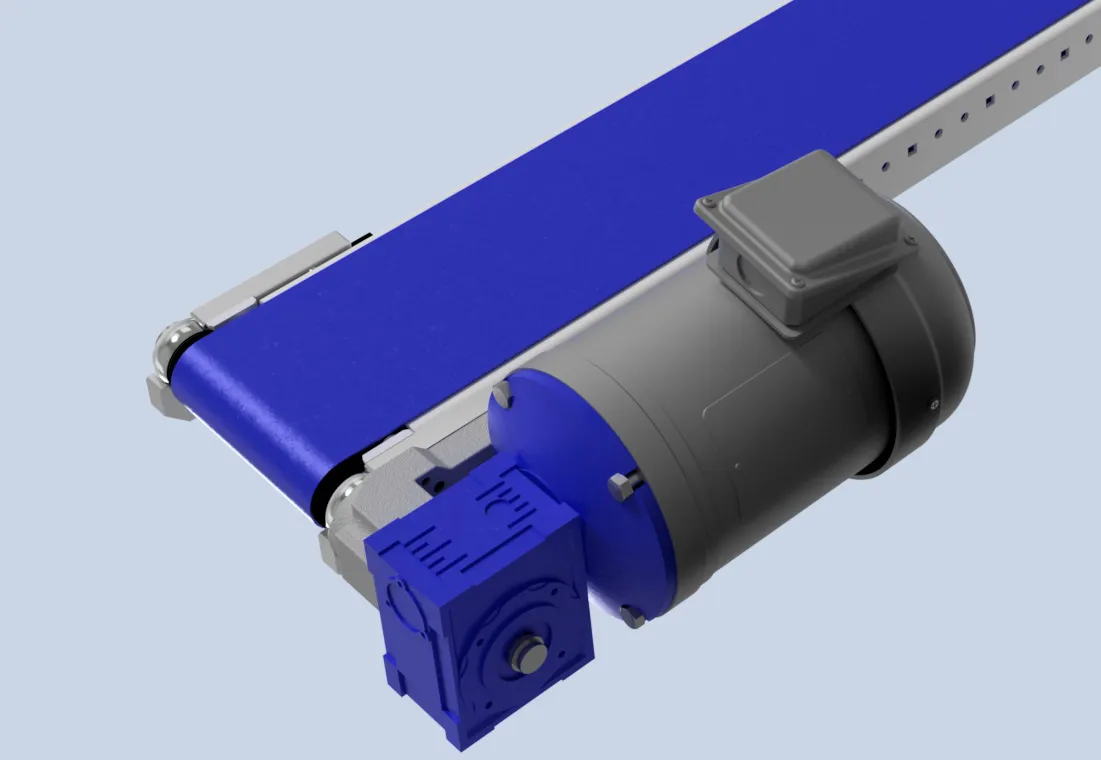
On the shaft
Shaft Mounted Drive
Used forCompact installs where the motor needs angling clear of nearby equipment.
- Connects
- Direct to the conveyor shaft
- Motors
- AC or DC; variable speed
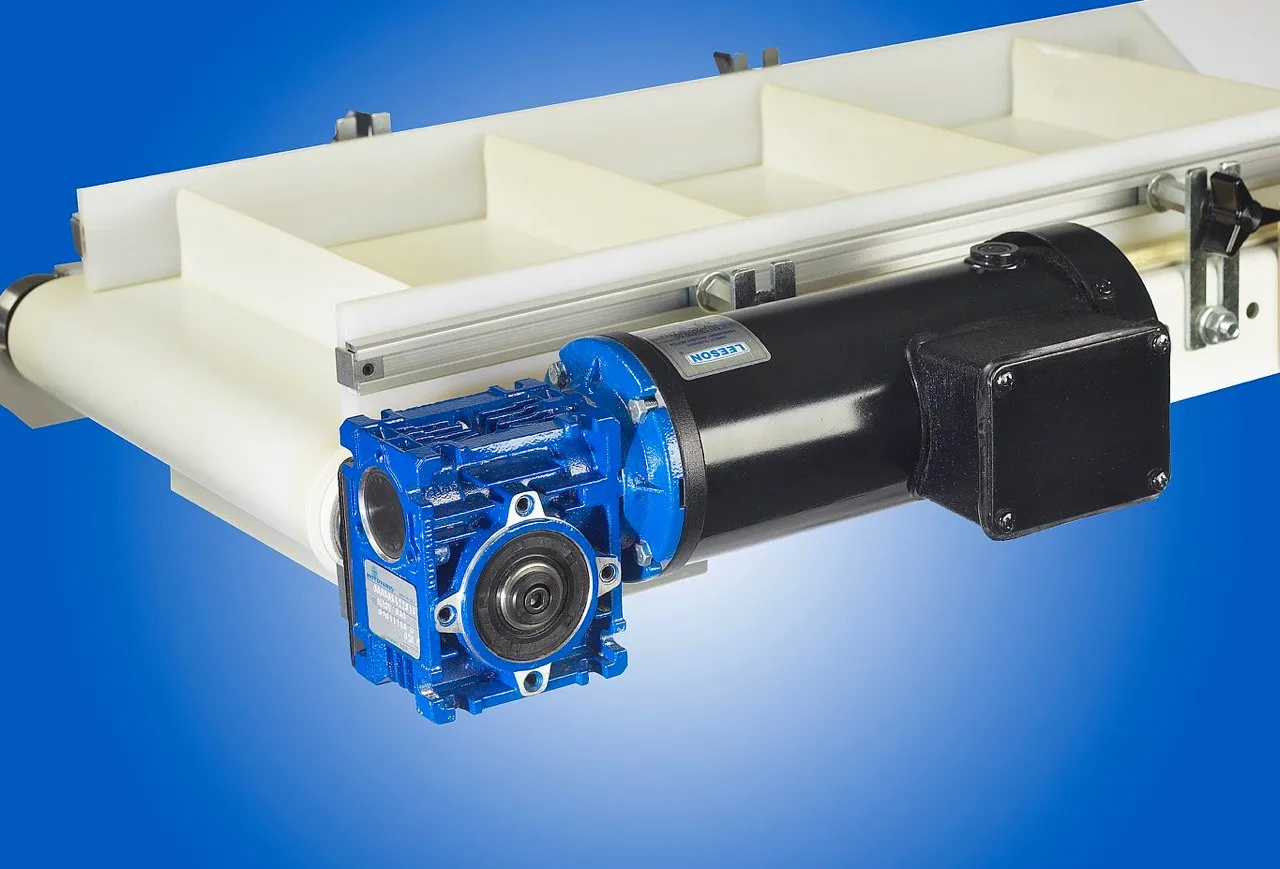
Right angle
Right Angle Gear Motor
Used forTight spaces where the motor should sit at 90° to the conveyor.
- Connects
- Jaw coupling
- Motors
- AC or DC; fixed or variable speed
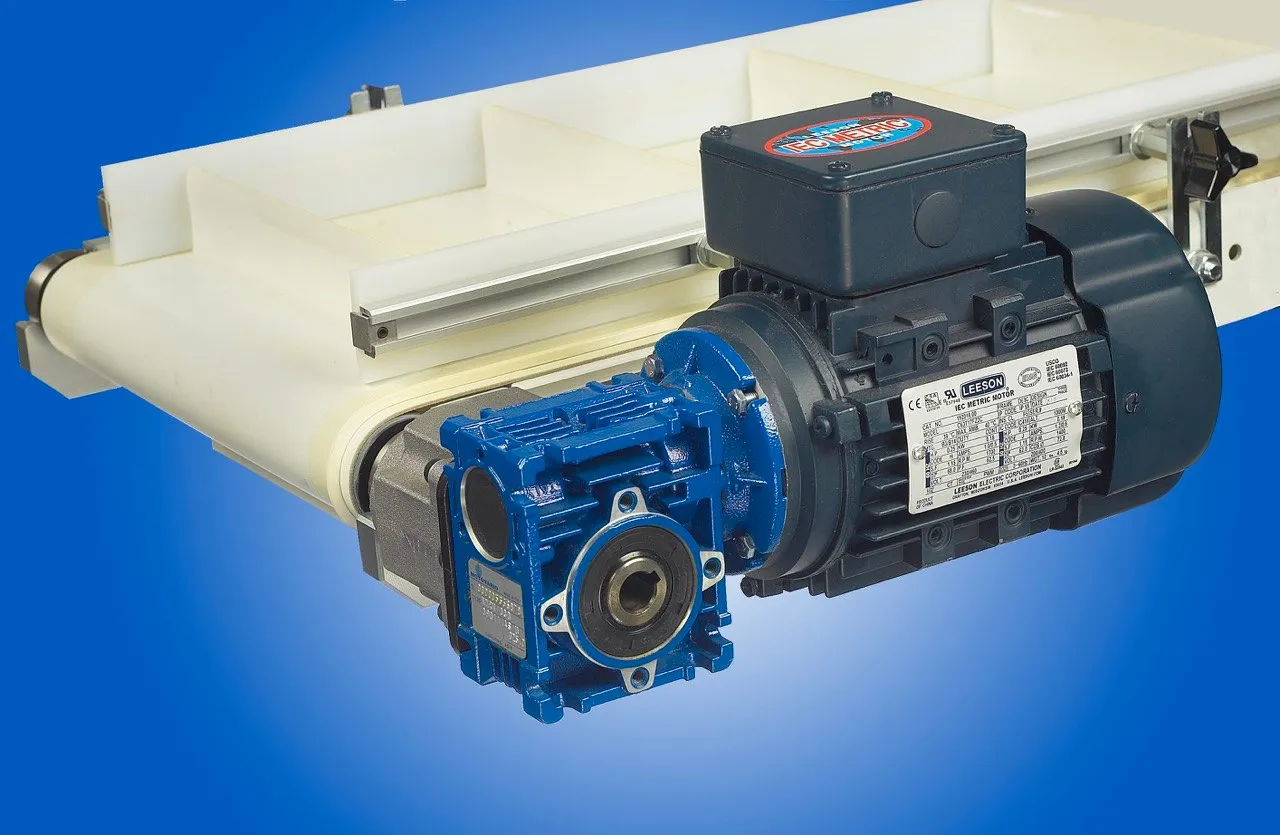
In line
Inline Gear Motor Packages
Used forNarrow lines where the motor runs straight out from the shaft.
- Connects
- Jaw coupling
- Motors
- Fixed AC, brushless DC variable, watertight
Right angle
Heavy Duty Right Angle Gear Motor
Used forHeavier loads and longer conveyors needing more drive capacity.
- Connects
- Jaw coupling
- Motors
- 3-phase AC or 90V DC; variable speed
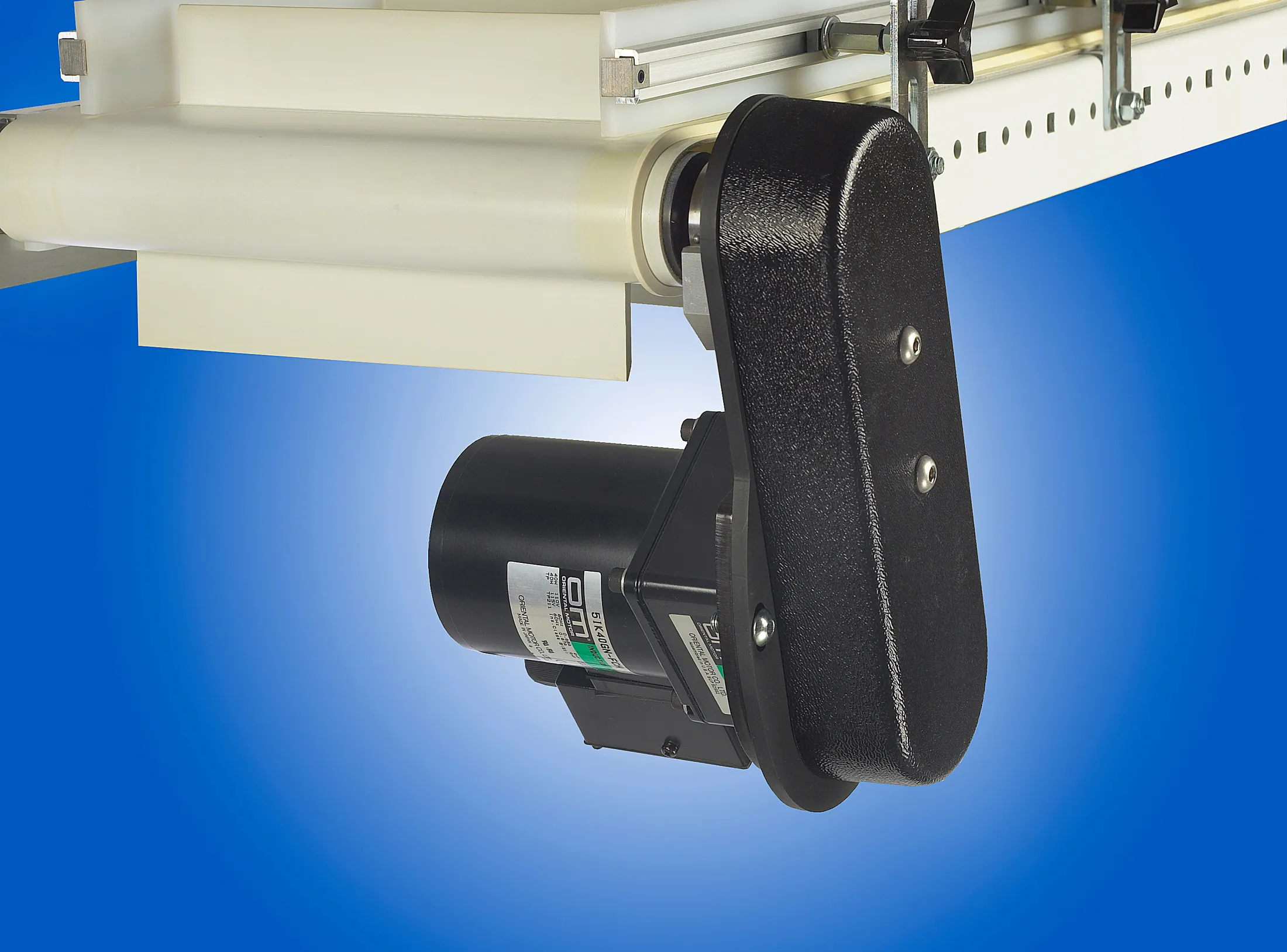
Below
Bottom Mounted Gear Motor
Used forLines where nothing can extend past the conveyor ends or sides.
- Connects
- Separate timing belt
- Motors
- Fixed AC, brushless DC variable, watertight
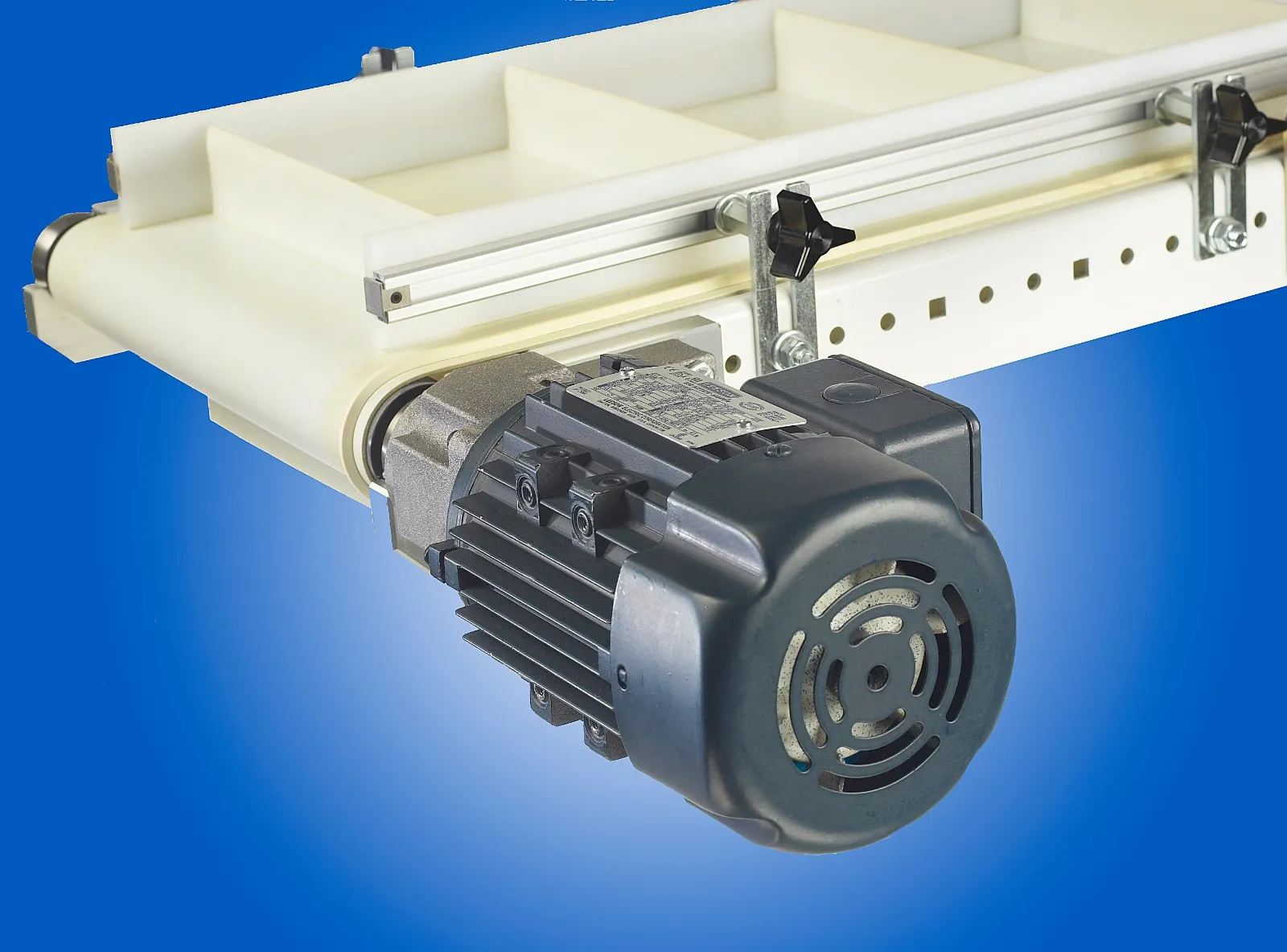
In line · high speed
High Speed Inline Gear Motor
Used forFaster belt speeds with an in-line motor.
- Connects
- Direct
- Motors
- 1-phase AC, 3-phase AC or brushless DC
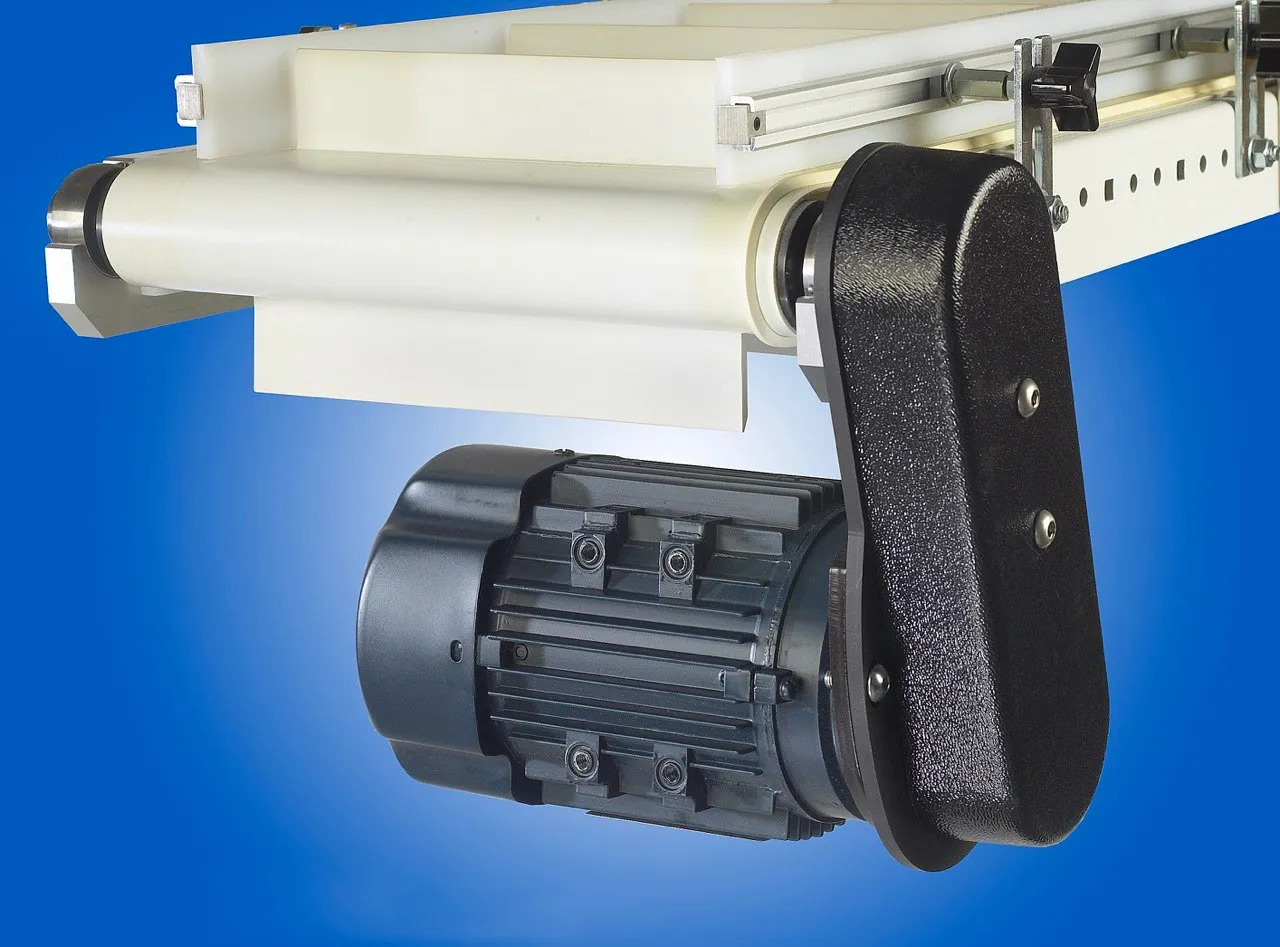
Below · high speed
High Speed Bottom Mounted Gear Motor
Used forFaster belt speeds with the motor tucked underneath.
- Connects
- Separate timing belt
- Motors
- 1-phase AC, 3-phase AC or brushless DC
| Drive | Used for | Connection | Motor choices |
|---|---|---|---|
| Shaft Mounted DriveOn the shaft | Compact installs where the motor needs angling clear of nearby equipment. | Direct to the conveyor shaft | AC or DC; variable speed |
| Right Angle Gear MotorRight angle | Tight spaces where the motor should sit at 90° to the conveyor. | Jaw coupling | AC or DC; fixed or variable speed |
| Inline Gear Motor PackagesIn line | Narrow lines where the motor runs straight out from the shaft. | Jaw coupling | Fixed AC, brushless DC variable, watertight |
| Heavy Duty Right Angle Gear MotorRight angle | Heavier loads and longer conveyors needing more drive capacity. | Jaw coupling | 3-phase AC or 90V DC; variable speed |
| Bottom Mounted Gear MotorBelow | Lines where nothing can extend past the conveyor ends or sides. | Separate timing belt | Fixed AC, brushless DC variable, watertight |
| High Speed Inline Gear MotorIn line · high speed | Faster belt speeds with an in-line motor. | Direct | 1-phase AC, 3-phase AC or brushless DC |
| High Speed Bottom Mounted Gear MotorBelow · high speed | Faster belt speeds with the motor tucked underneath. | Separate timing belt | 1-phase AC, 3-phase AC or brushless DC |
No drive matches every filter.
Clear a filter, or describe the movement and our engineers will select the drive.
Drive position
Where each drive sits on the conveyor
The drive goes where the machine leaves room: on the shaft, in line with it, at a right angle, or underneath the frame.
Conveyor motion
Steady, variable, or stop-and-go.
The movement the process needs comes first. The drive, gearing and controls are then chosen to deliver it.
Fixed speed
When parts move at a steady pace between operations
The conveyor runs at one selected speed. Motor speed, gearing and pulley diameter together set how fast the belt travels.
Variable speed
When the pace needs to change with the process
Speed can be adjusted as the process changes. The usable range depends on the complete motor, controller and conveyor.
Reversing and indexing
When parts travel both ways, or stop at working positions
Index distance, acceleration, deceleration and dwell make up an indexing cycle. Timing-belt conveyors and servo, stepper or brushless DC drives deliver it.
How we choose
What decides the drive.
Our engineers bring these together when selecting the drive, gearing and controls. A brief description of the operation is all we need.
Torque load chart (PDF)Chart values change with the conveyor, incline and drive. We confirm the capacity for your complete conveyor.
Conveyor and load
Belt size, product load, holders and incline set the drive duty.
Belt speed
How fast the belt travels, which is not the same as the motor or gearbox RPM.
Power and torque
Both belong to the selected motor, gearing and operating speed.
Electrical supply
Voltage, phase, frequency and control supply must match the package.
Controls
Start, stop, direction, speed and position signals connect the conveyor to the process.
Placement and environment
Drive position sets the space needed for guards and access; temperature, moisture and cleaning set the electrical protection.
Existing conveyors
A replacement, or a change?
For an installed conveyor, the identifier and any readable motor, gearbox or controller nameplate help us find the right drive configuration.