
Drive systems
High Speed Inline Gear Motor
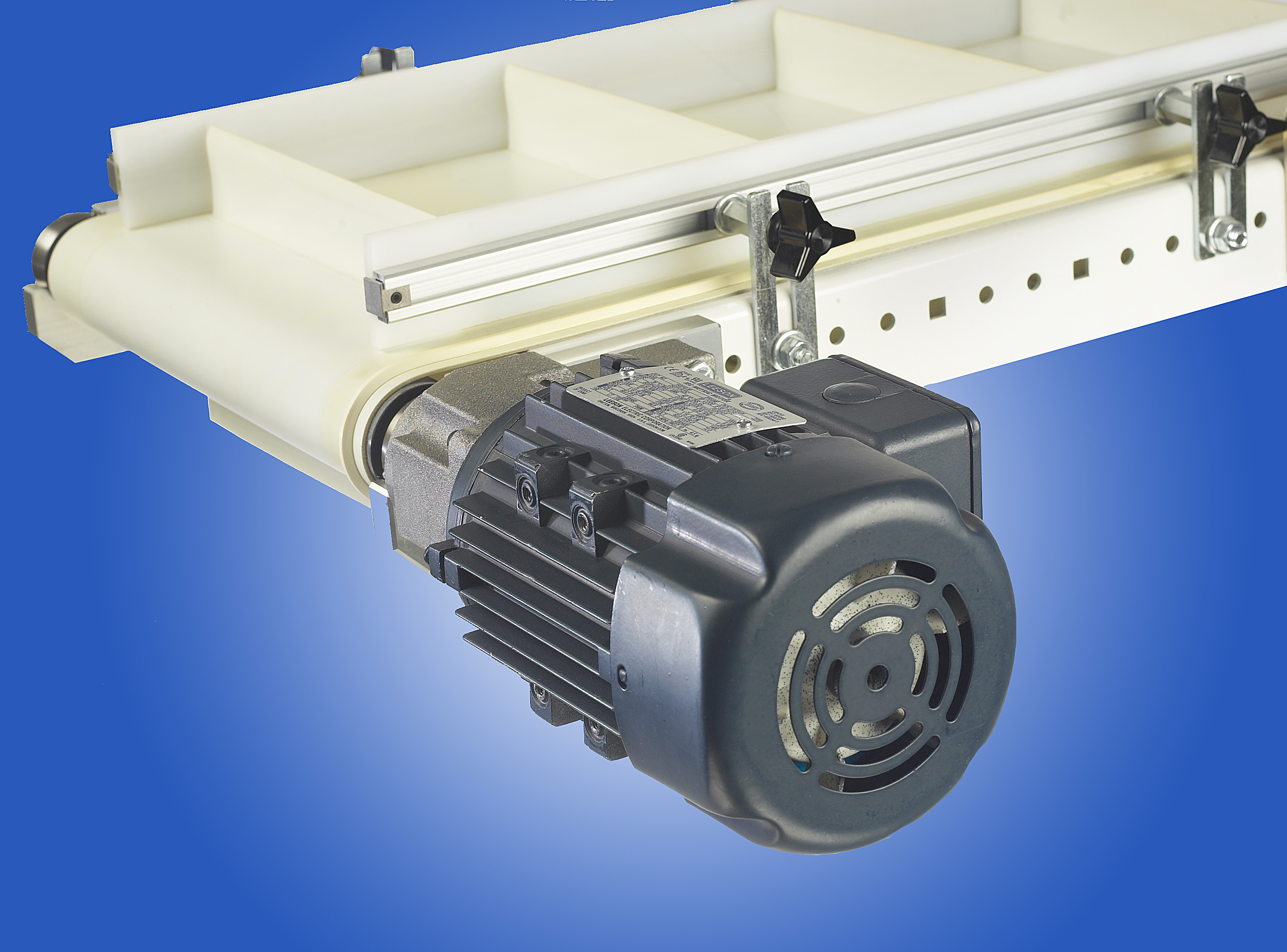
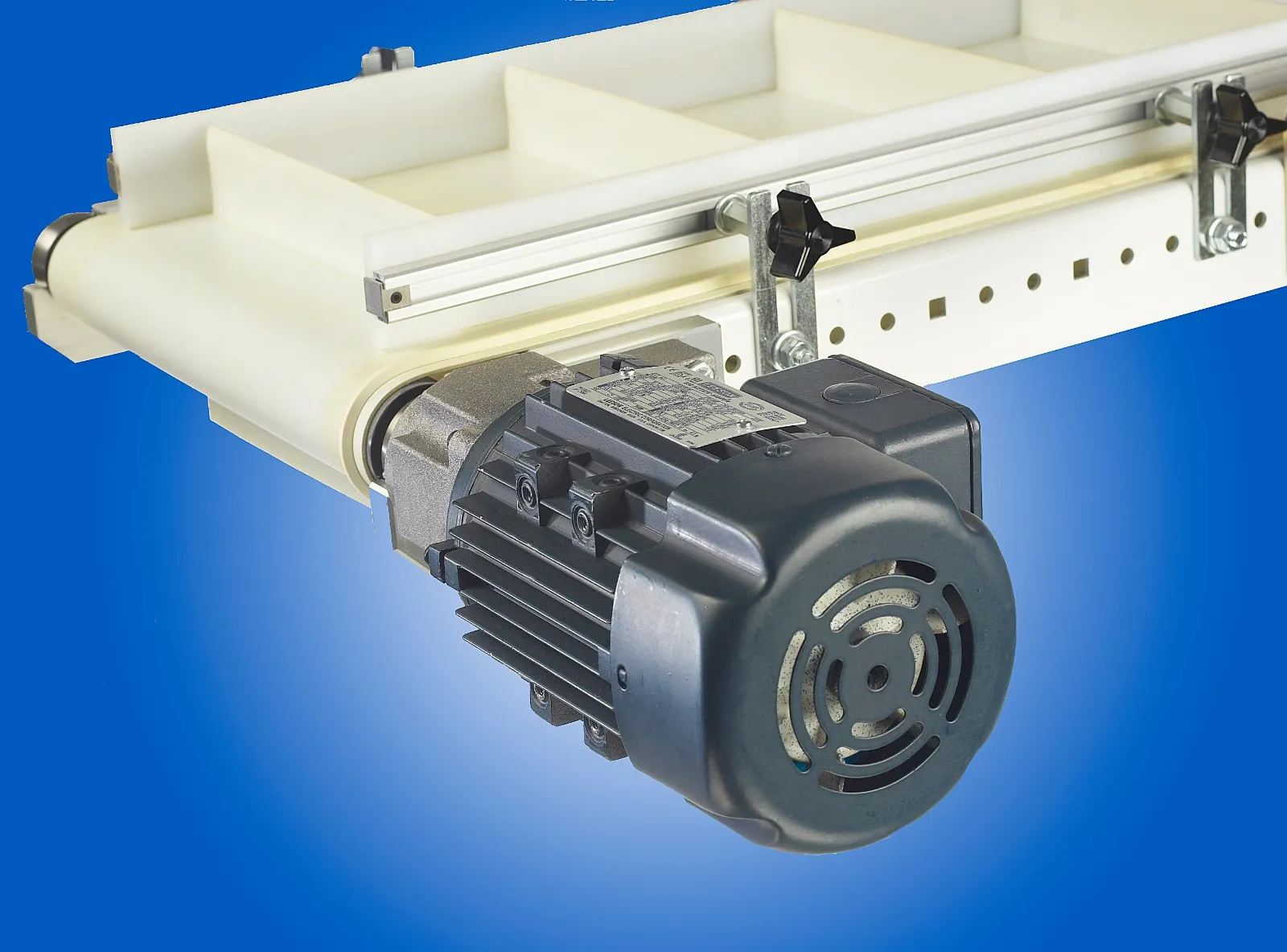
The inline version of our high-speed drive: coupled directly to the conveyor, with the motor and connection together at the drive shaft.
Connect a high-speed drive directly to the conveyor in an inline arrangement. We fit the motor and connection around the product path, the movement needed and the adjoining equipment.
Design it in CAD and export STEP files, or let our engineers design it.
Preview unavailable. Open original image ↗
- Connection
- Direct coupled
- Package power
- 0.18–0.37 kWpackage reference
- Drive speed
- 2,550 RPMnot belt speed
- Motors
- 1-ph AC, 3-ph AC or BLDC
How it fits
How it fits your conveyor.
Direct-coupled inline
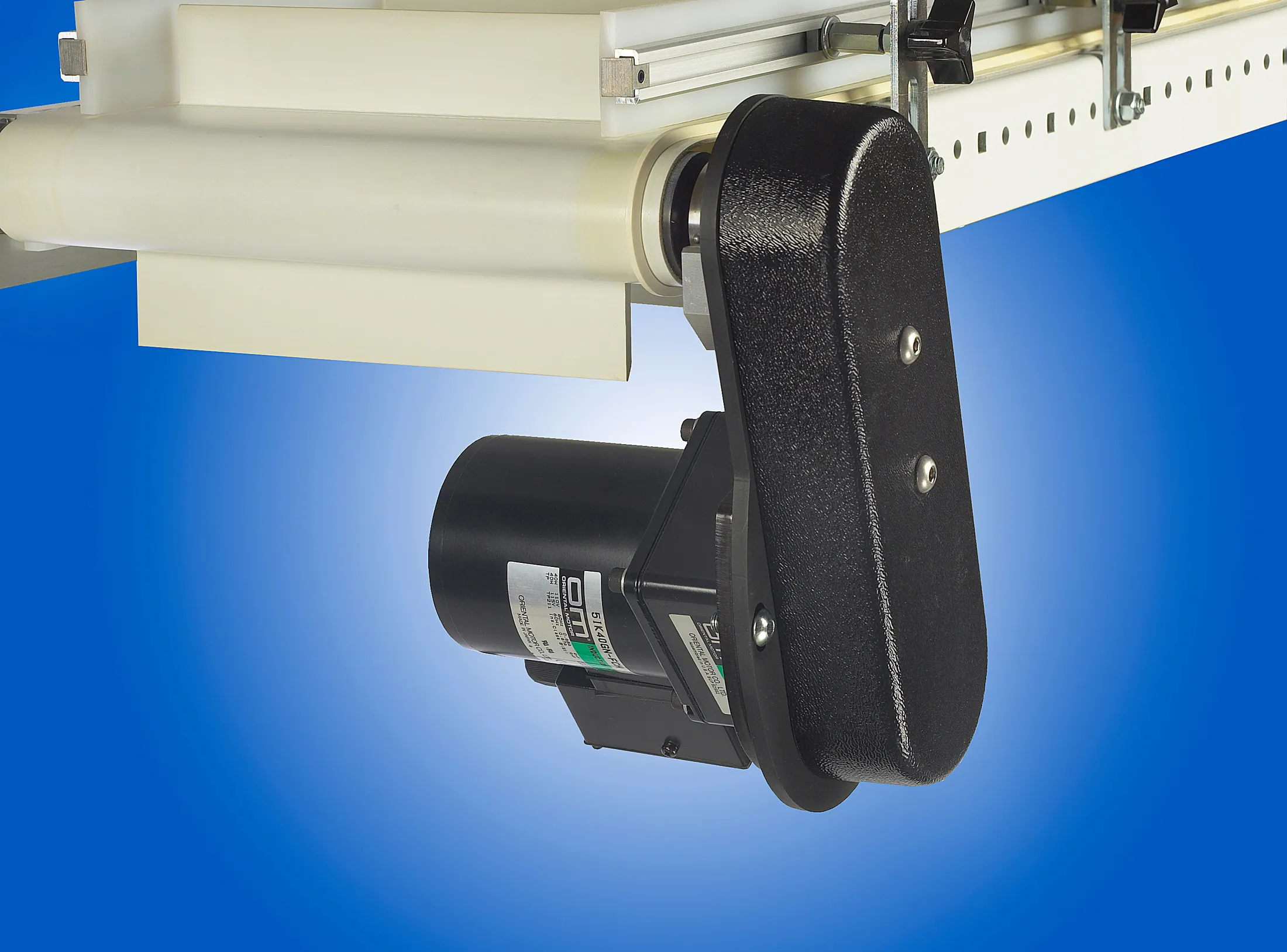
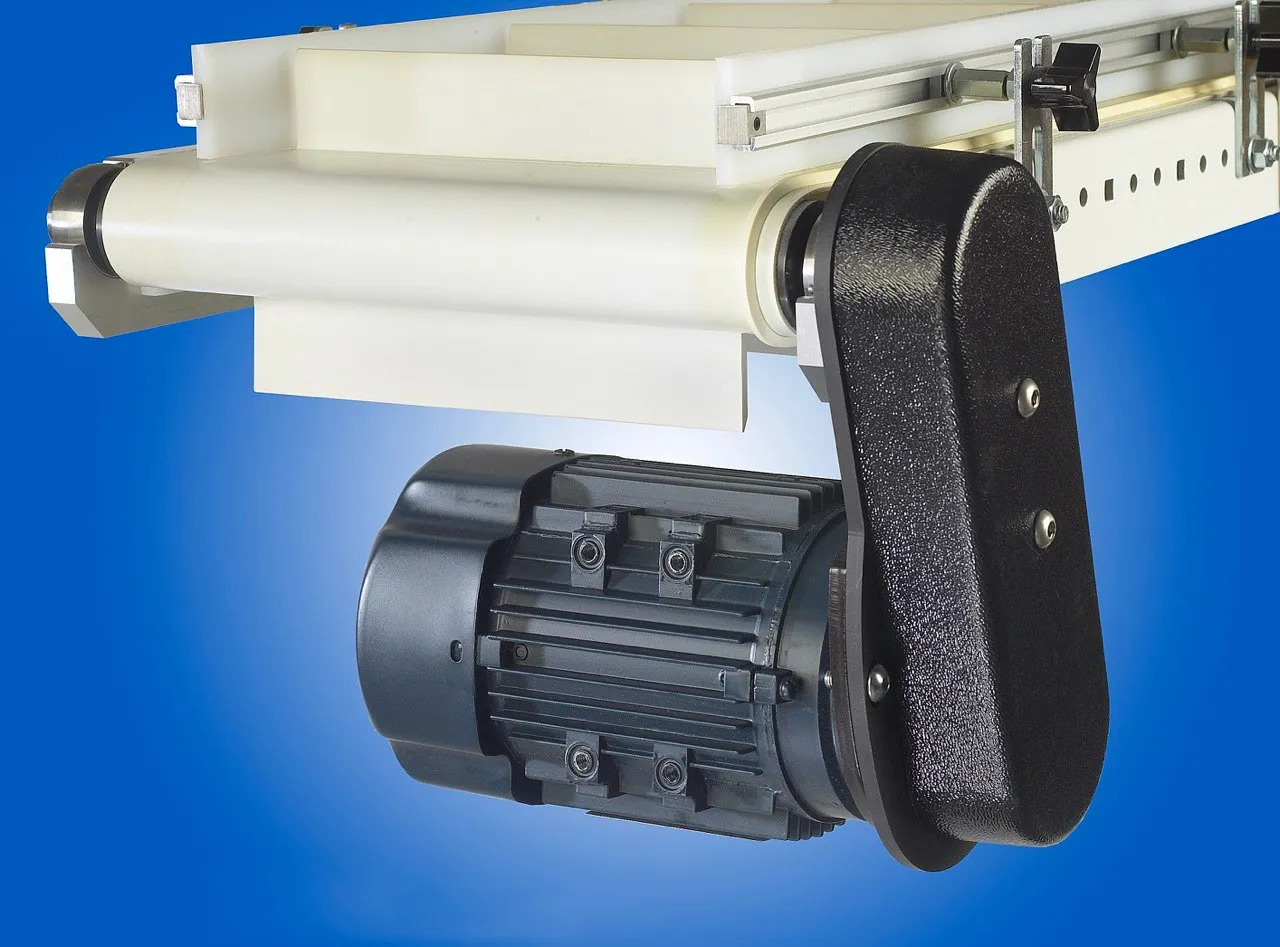
The drive connects directly to the conveyor, with the motor and connection together at the drive shaft. The bottom-mounted high-speed package is the alternative, driving through a separate timing belt.
Match the pace to the line
The 2,550 RPM figure describes the drive. Conveyor travel also depends on the connection and pulleys, and product spacing and downstream equipment decide the useful line pace. We select the motor, connection and controls to match.
In practiceConveyor travel is set for your product spacing and the next machine, not just the motor.
Drive position
Where each drive sits on the conveyor
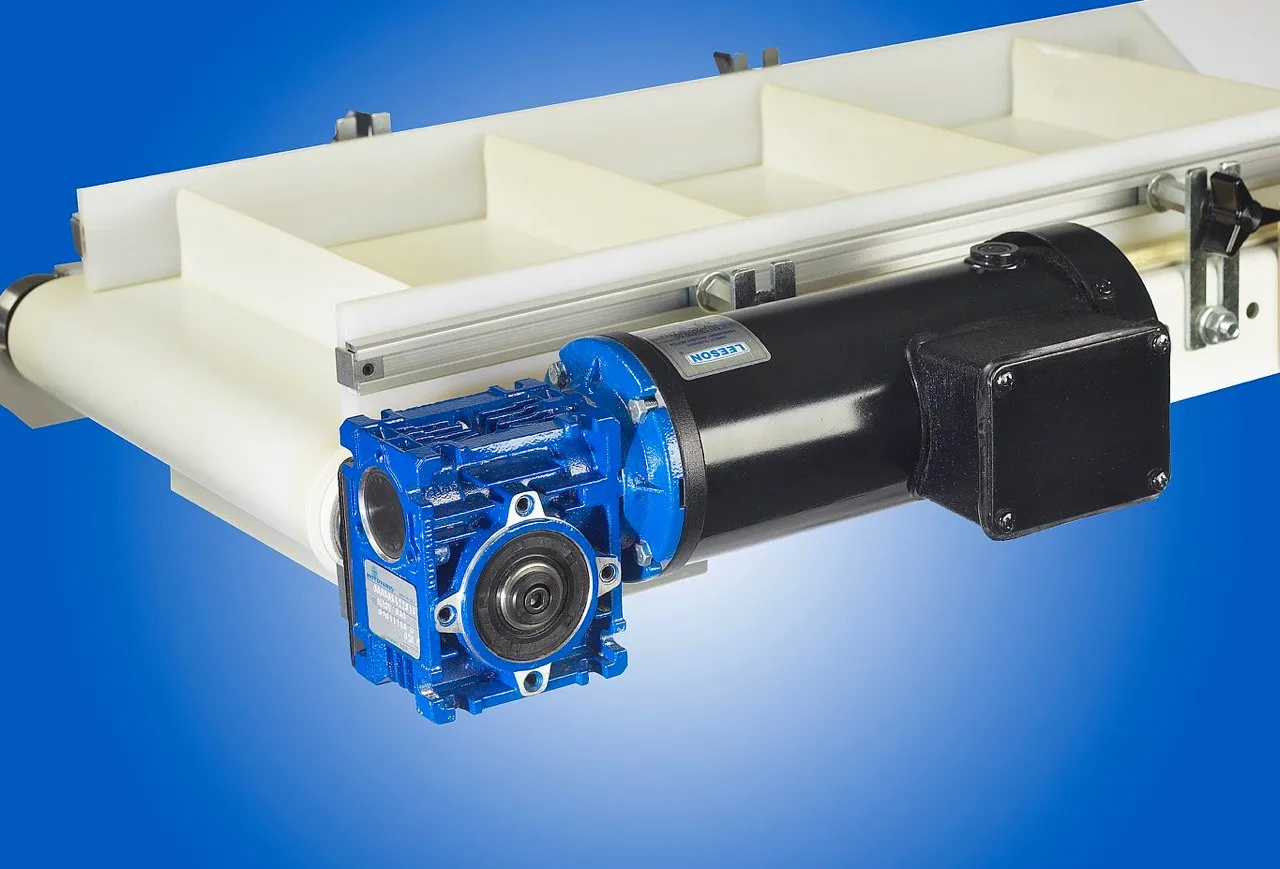
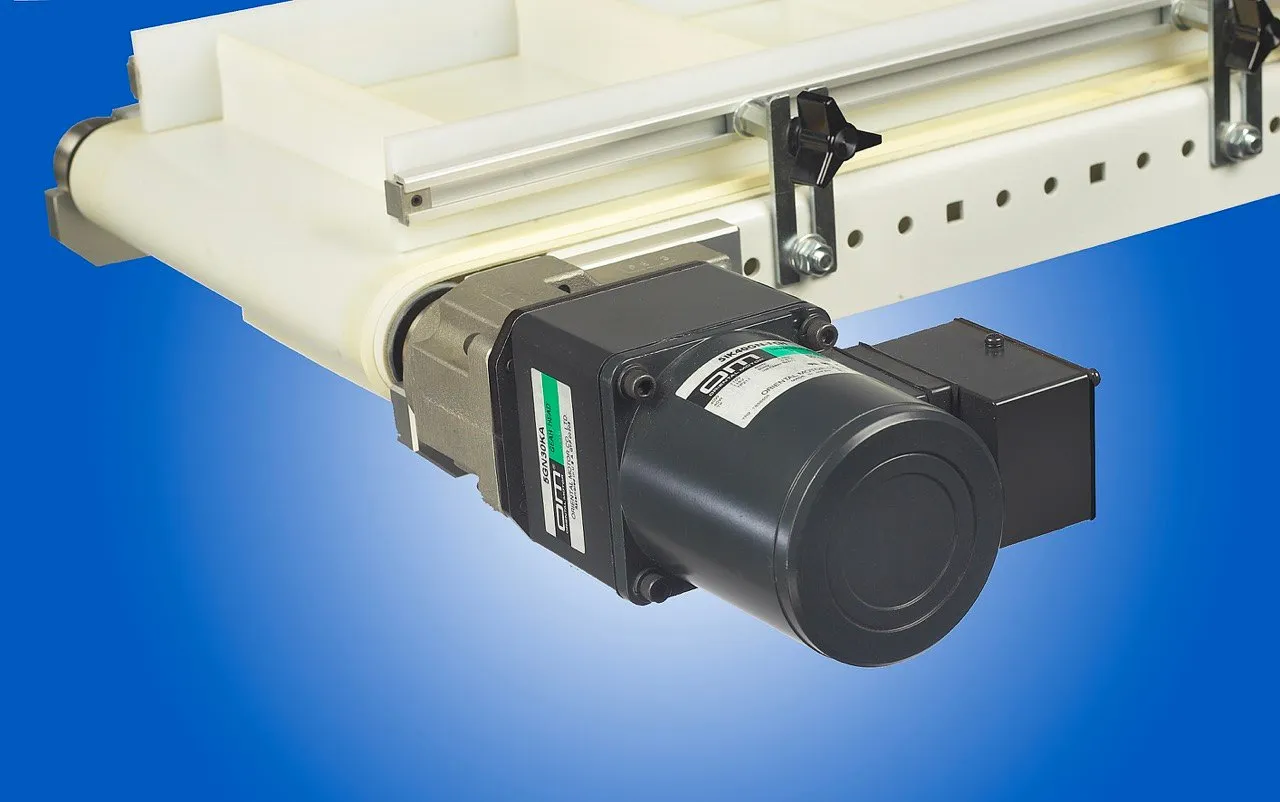
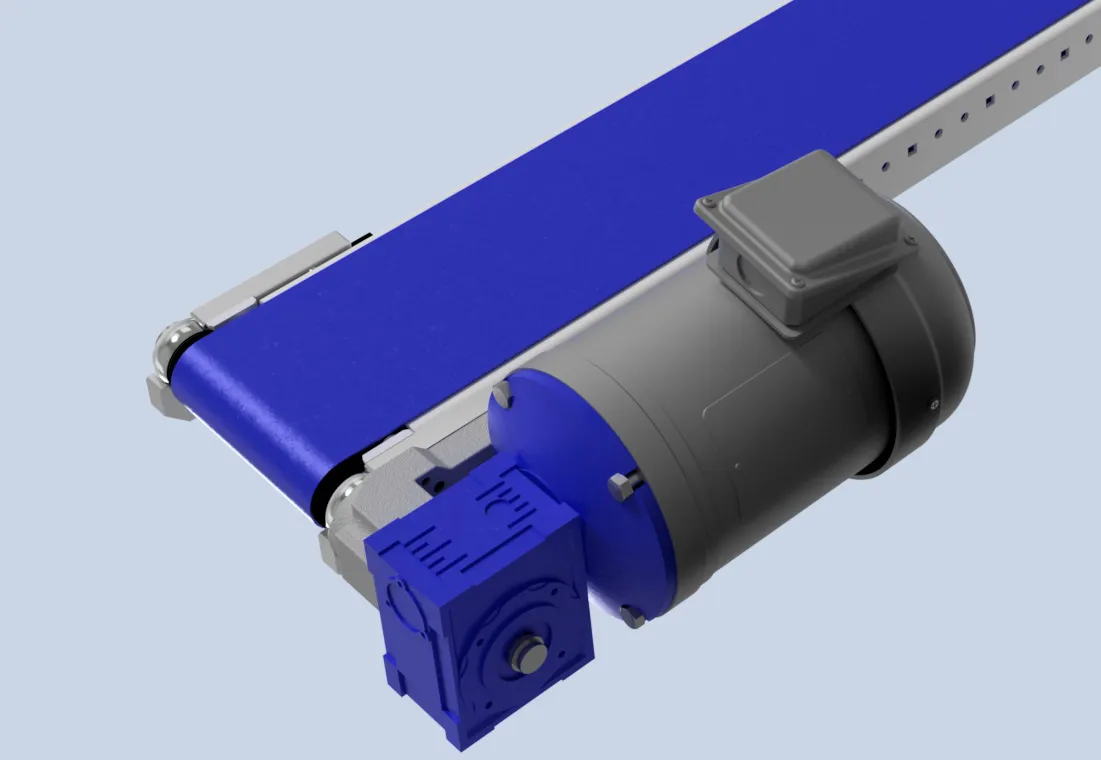
The drive goes where the machine leaves room: on the shaft, in line with it, at a right angle, or underneath the frame.
 This drive
High Speed Inline
In line at the drive shaftDirect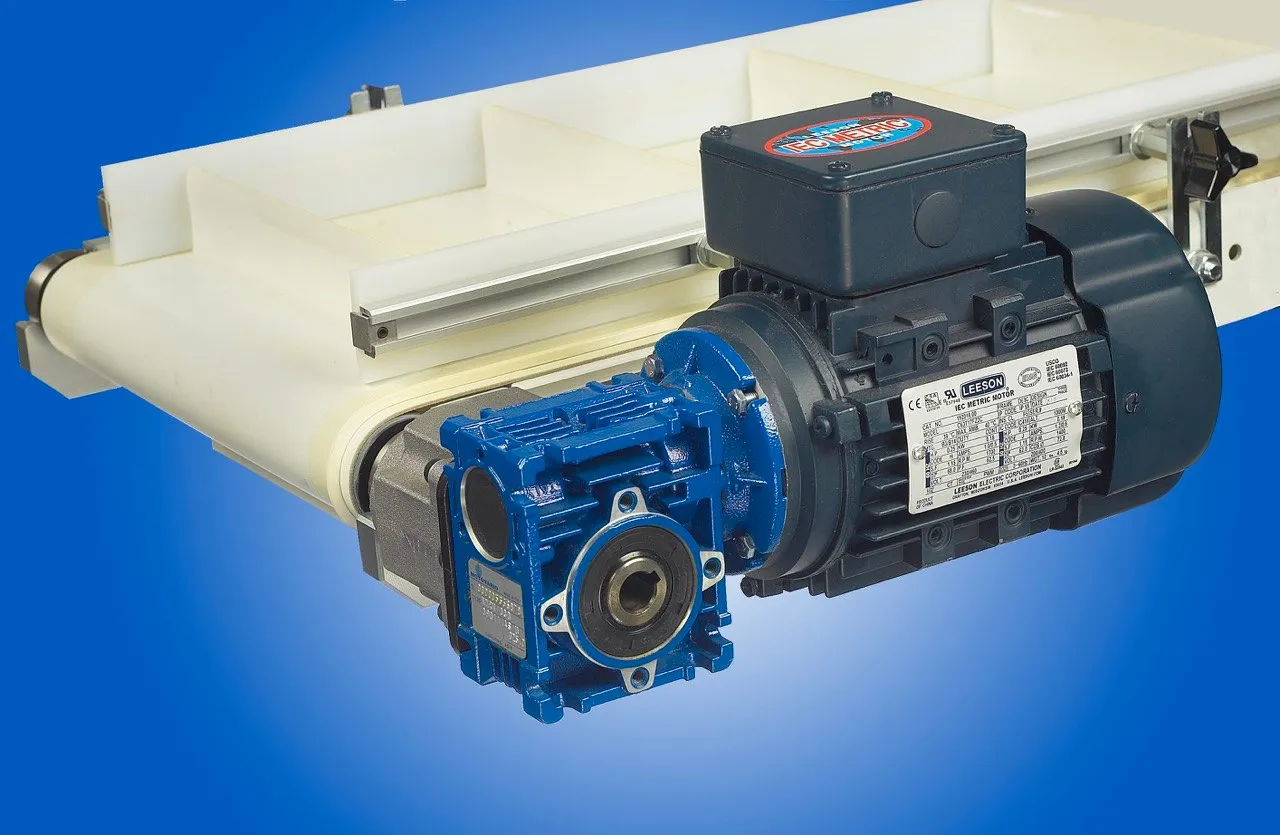
Service and support
Service access
The motor and direct connection need a clear service approach at the conveyor drive, and the space to remove them can differ from where they sit. We plan that access with the machine frame, cable route and guards.
No belt-speed or throughput rating is derived from the package figures.
Warranty
- Drive package
- 2 years, unlimited hours
- Bearings
- 5 years
Questions engineers ask
Tell us what it needs to move.
New installation or an existing conveyor, a brief description is all we need. We design and configure the rest.
Talk to an engineer115V single-phase AC, 230/460V three-phase AC and brushless DC. The motor and controller set the electrical needs and the usable movement range. Space beside and below the conveyor, support positions and access to the drive connection decide which layout fits. We compare them for your conveyor.
No. Power, torque and RPM figures are references for the drive package, not conveyor load or belt-speed ratings. The selected motor, reduction ratio and duty decide the actual output; we confirm them for your conveyor.
The drive connects directly to the conveyor, with the motor and connection together at the drive shaft. The bottom-mounted high-speed package is the alternative, driving through a separate timing belt.
The motor and direct connection need a clear service approach at the conveyor drive, and the space to remove them can differ from where they sit. We plan that access with the machine frame, cable route and guards.
Drive package: 2 years, unlimited hours. Bearings: 5 years.
Compare with