
Drive systems
Bottom Mounted Gear Motor
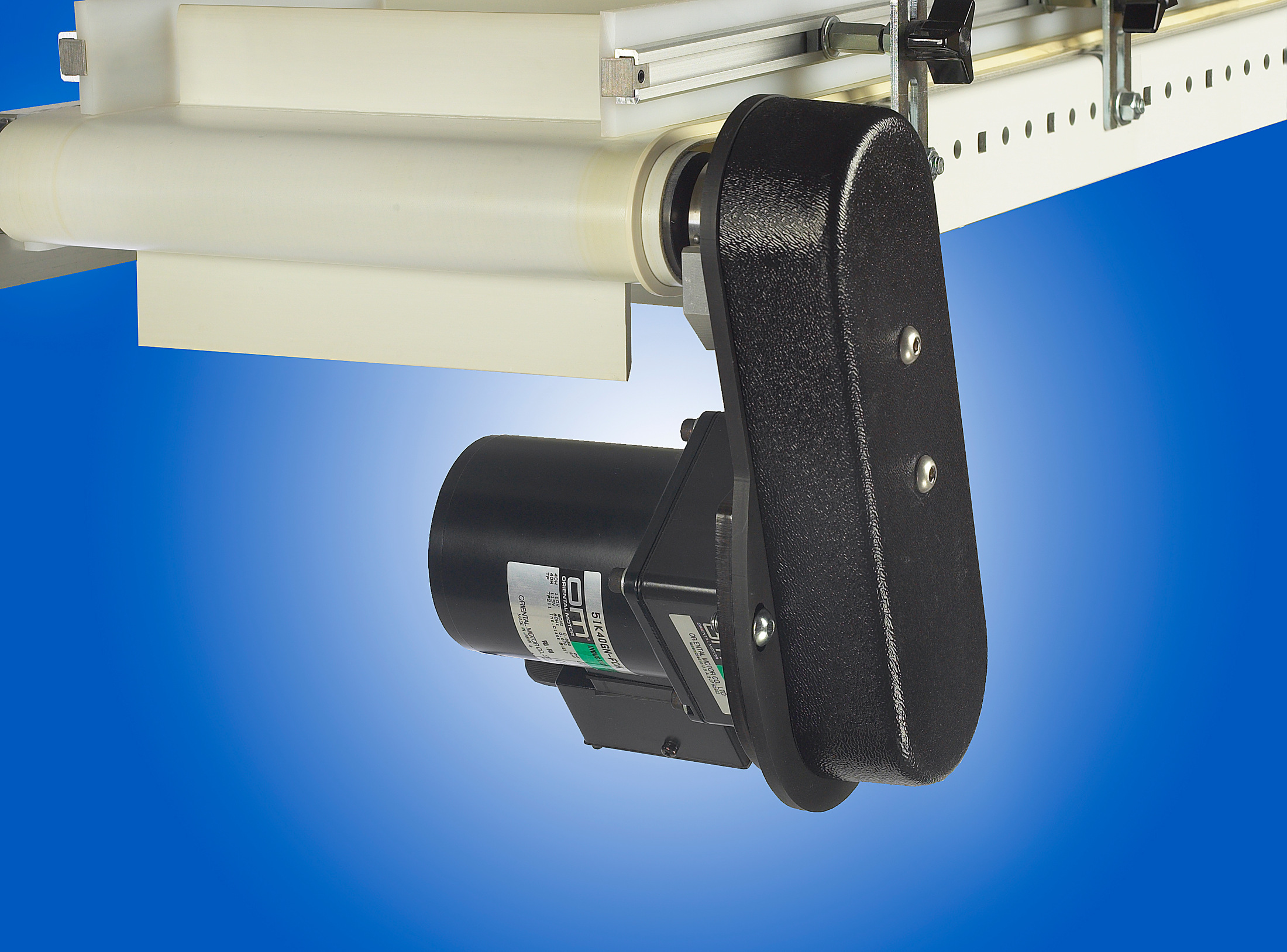
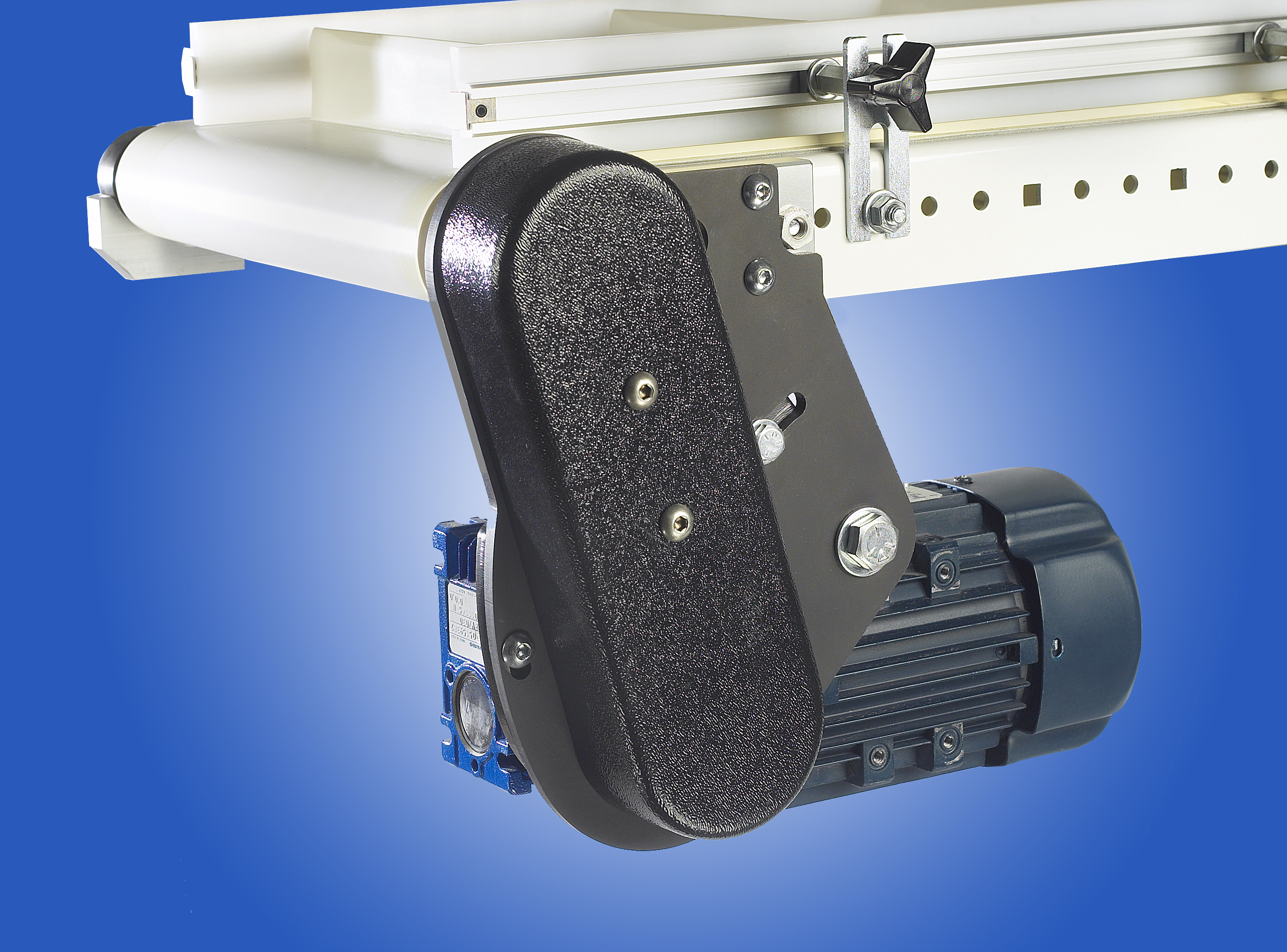
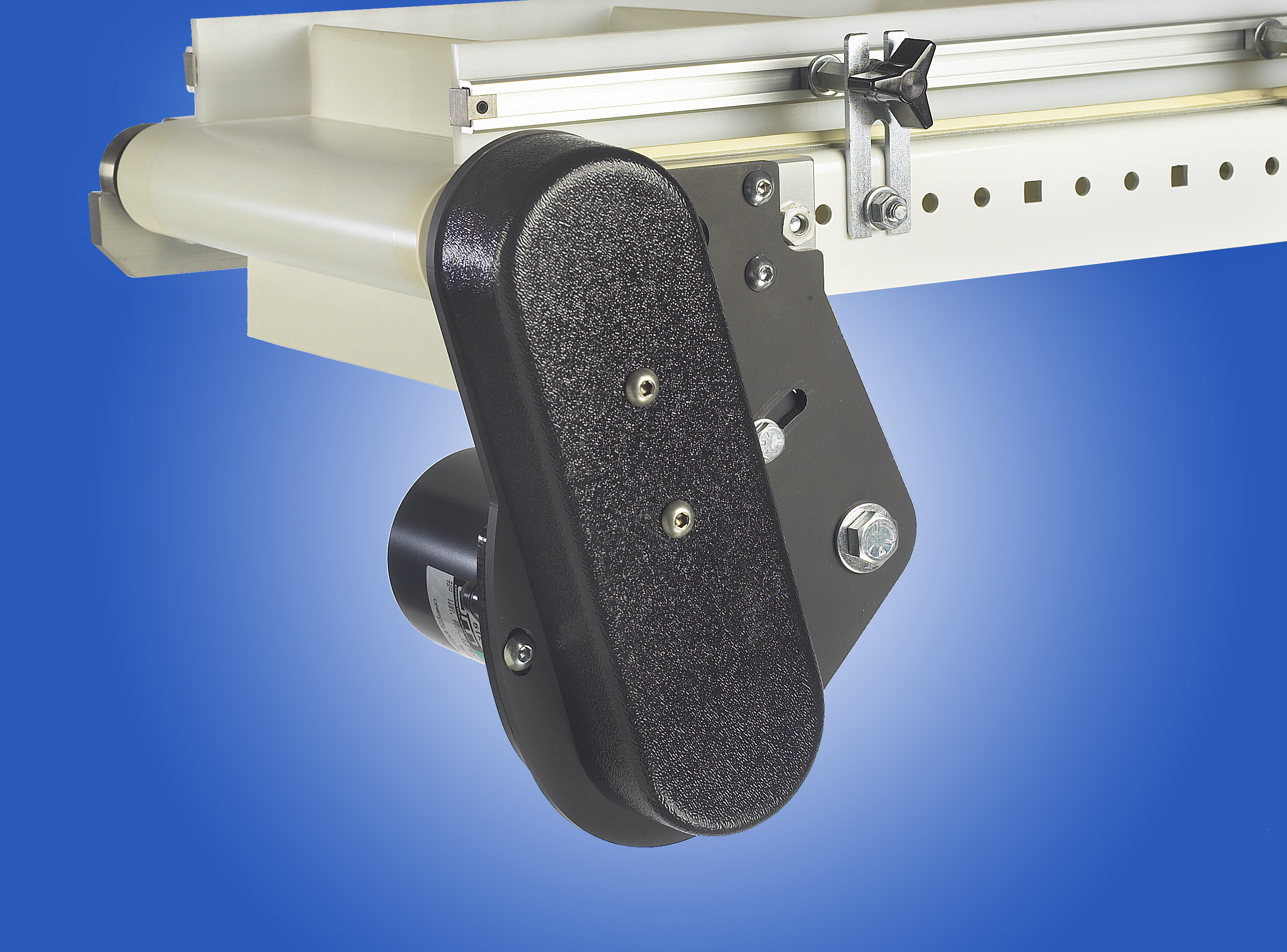
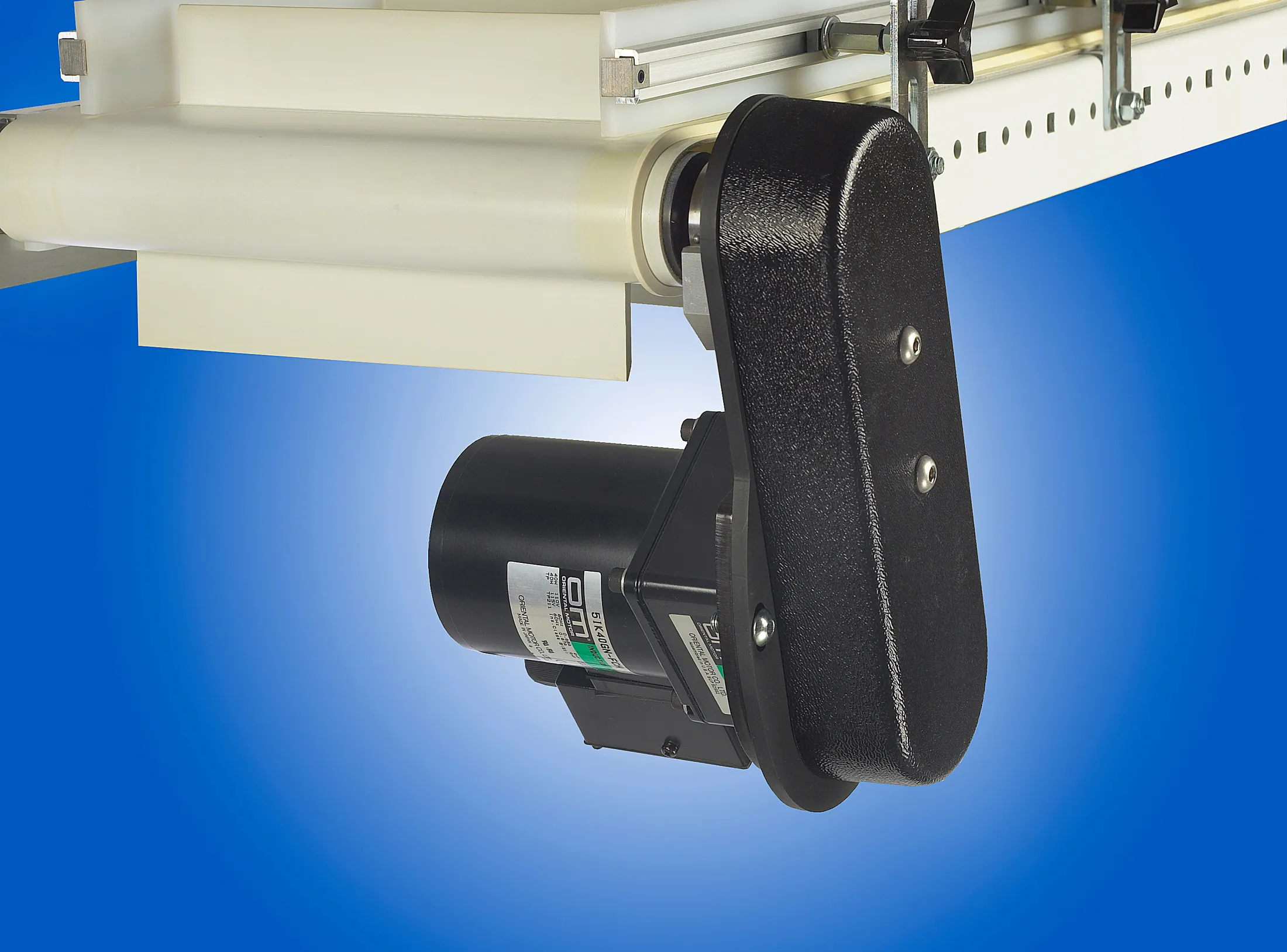
The gearmotor sits under the conveyor and drives it through its own timing belt, keeping the motor out of the space beside and around the belt.
Place the gearmotor beneath the conveyor and transmit movement through a timing belt. Fixed-speed, brushless DC variable-speed and watertight motors cover different movement and exposure needs.
Design it in CAD and export STEP files, or let our engineers design it.
Preview unavailable. Open original image ↗
- Position
- Beneath the conveyor
- Connection
- Separate timing belt
- Motors
- 40–90 W fixed; 60–120 W BLDC
- Operating temperature
- −10 to 50°Clisted motors; confirm for your package
How it fits
How it fits your conveyor.
Drive space below the conveyor
The gearmotor sits below the conveyor frame, with a timing belt connecting it to the conveyor drive. Stands, cross-braces and nearby equipment still need to fit around the motor and its connection.
In practiceThe sides and ends of the conveyor stay clear for transfers, guides and operators.
From motor to conveyor
A separate timing belt, not the one carrying the product, passes rotation from the gearmotor to the conveyor drive. Belt travel comes from the motor speed, gearing and pulleys, so the motor’s RPM isn’t a belt-speed figure.
Drive position
Where each drive sits on the conveyor
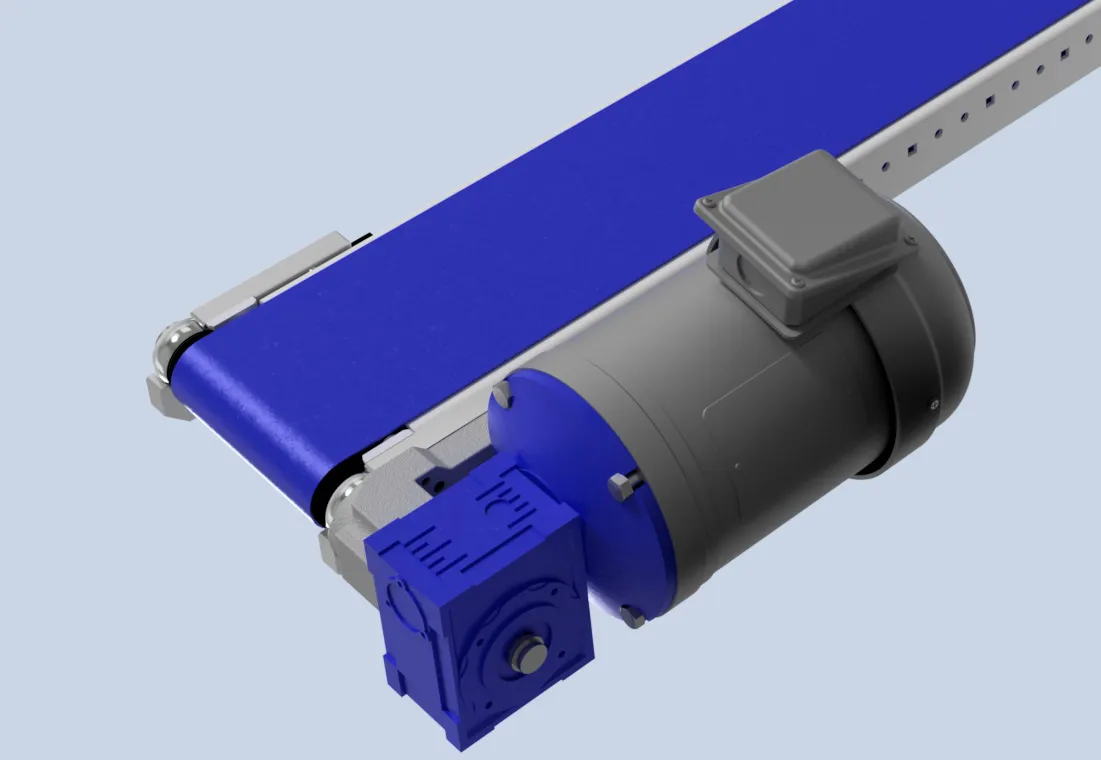
The drive goes where the machine leaves room: on the shaft, in line with it, at a right angle, or underneath the frame.
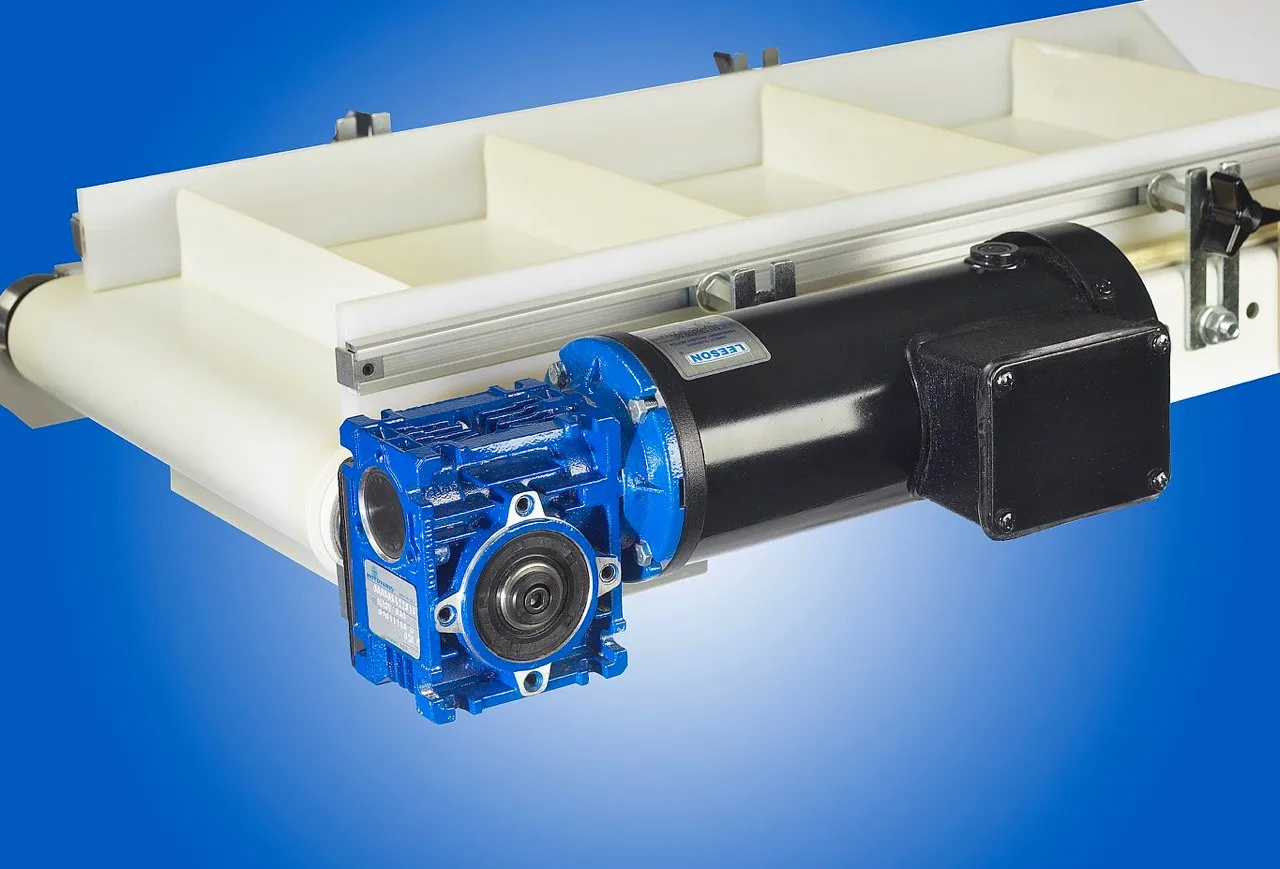
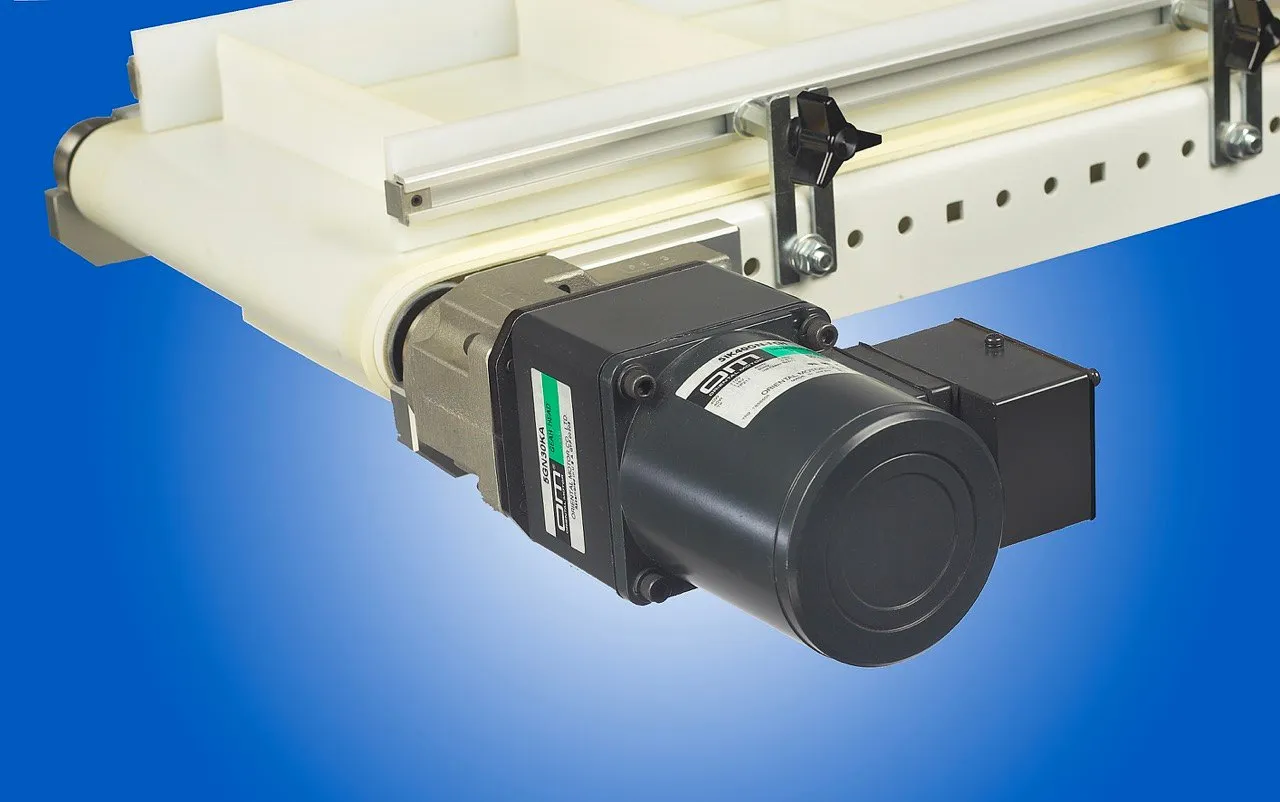
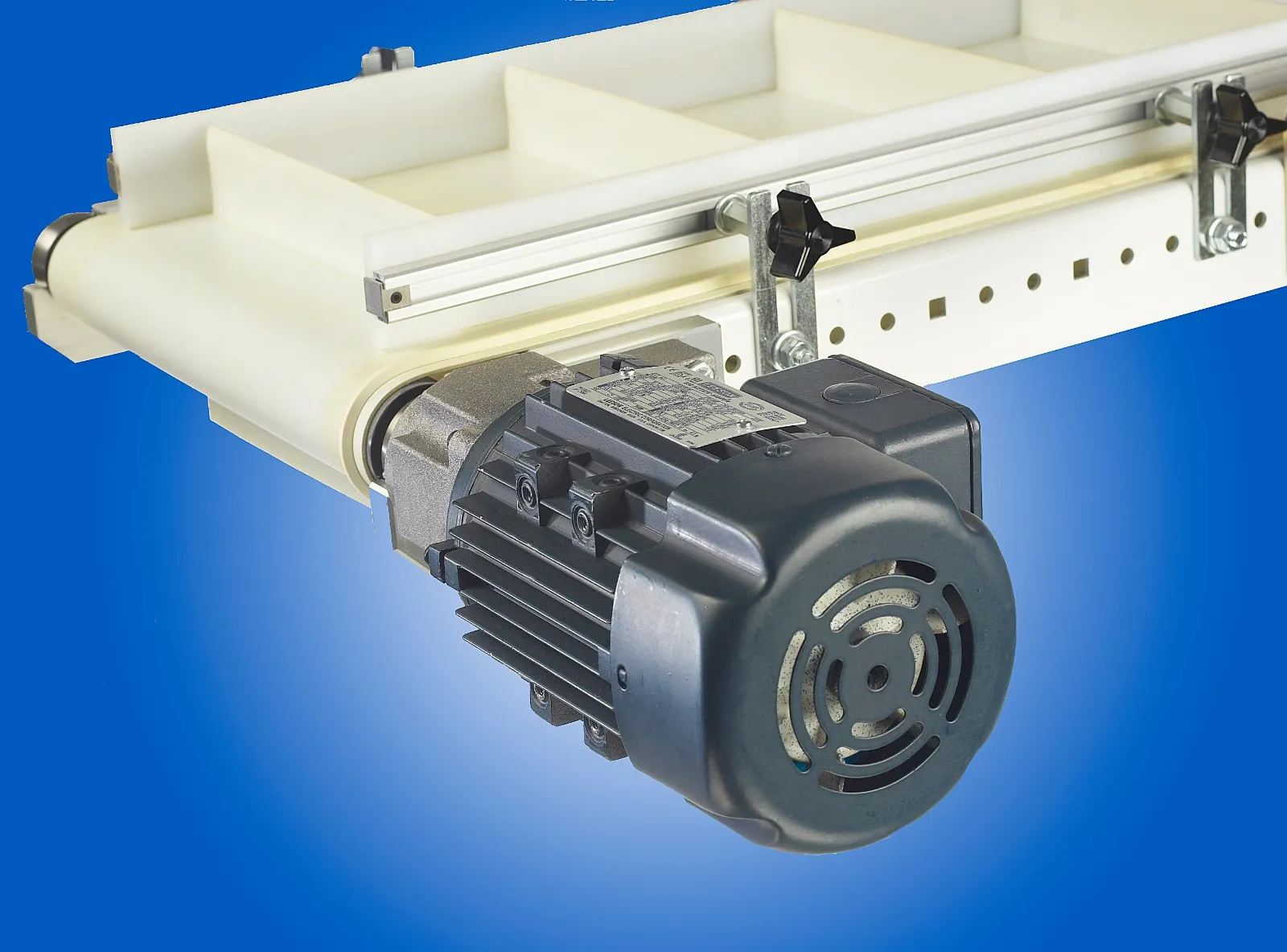
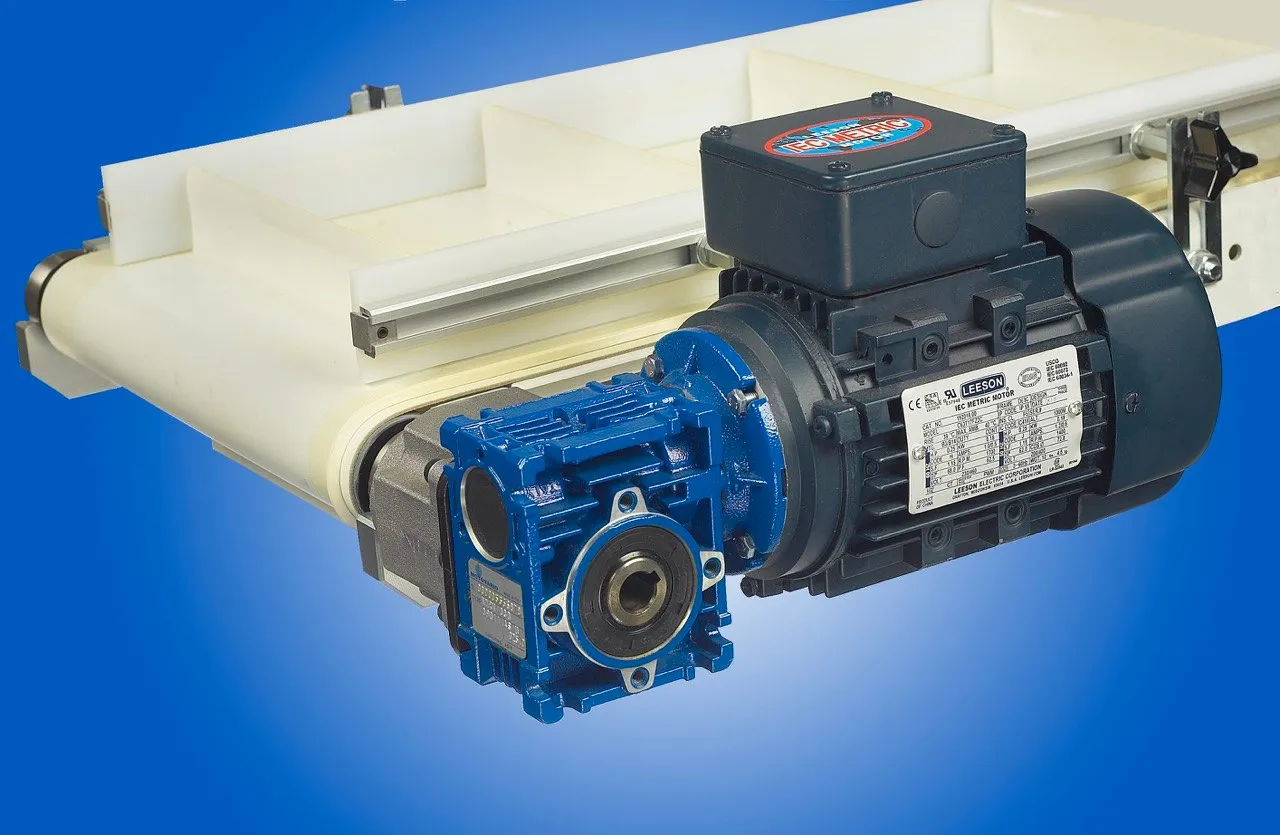
 This drive
Bottom Mounted
Beneath the conveyor frameSeparate timing belt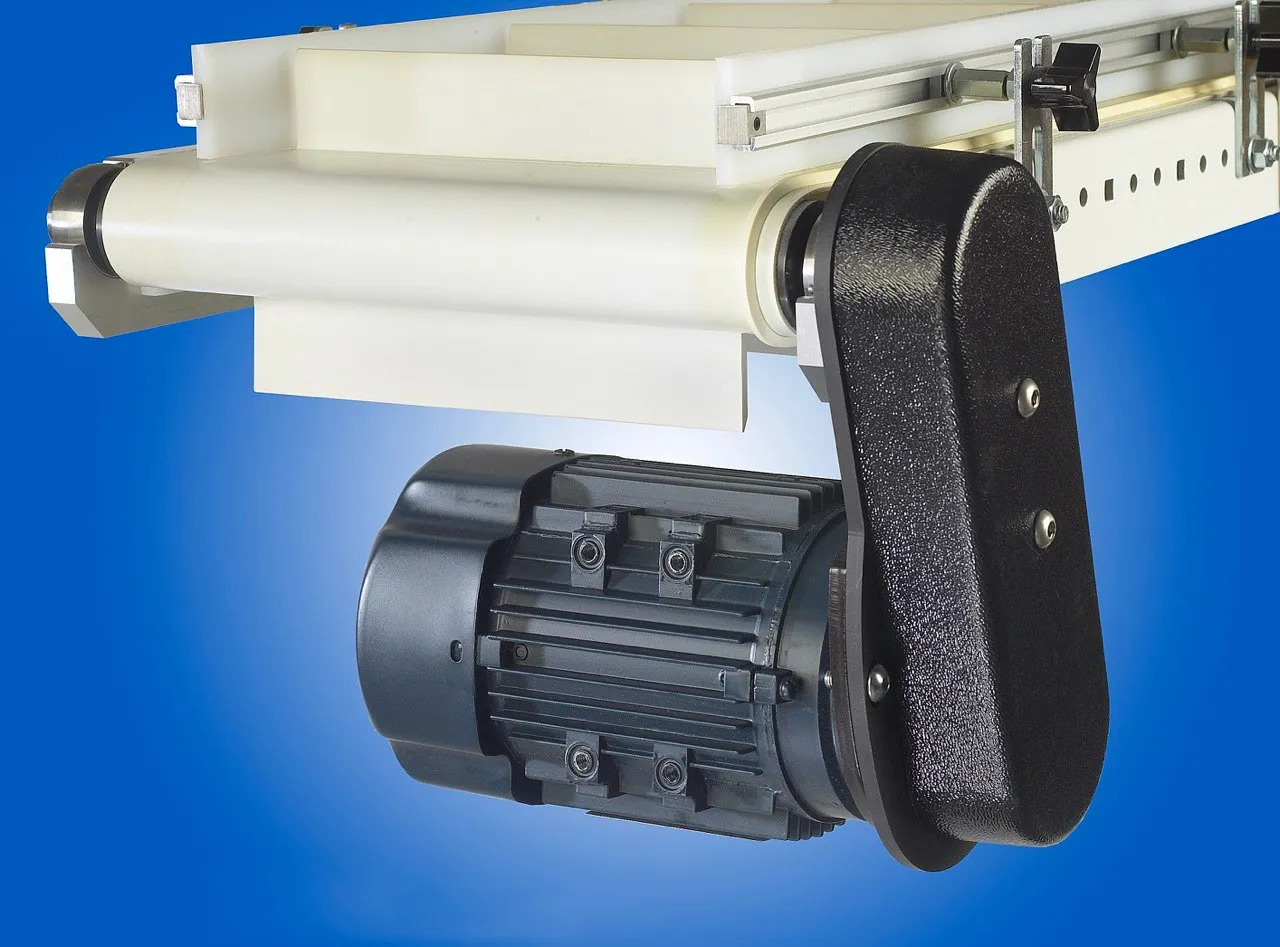
Service and support
Service access
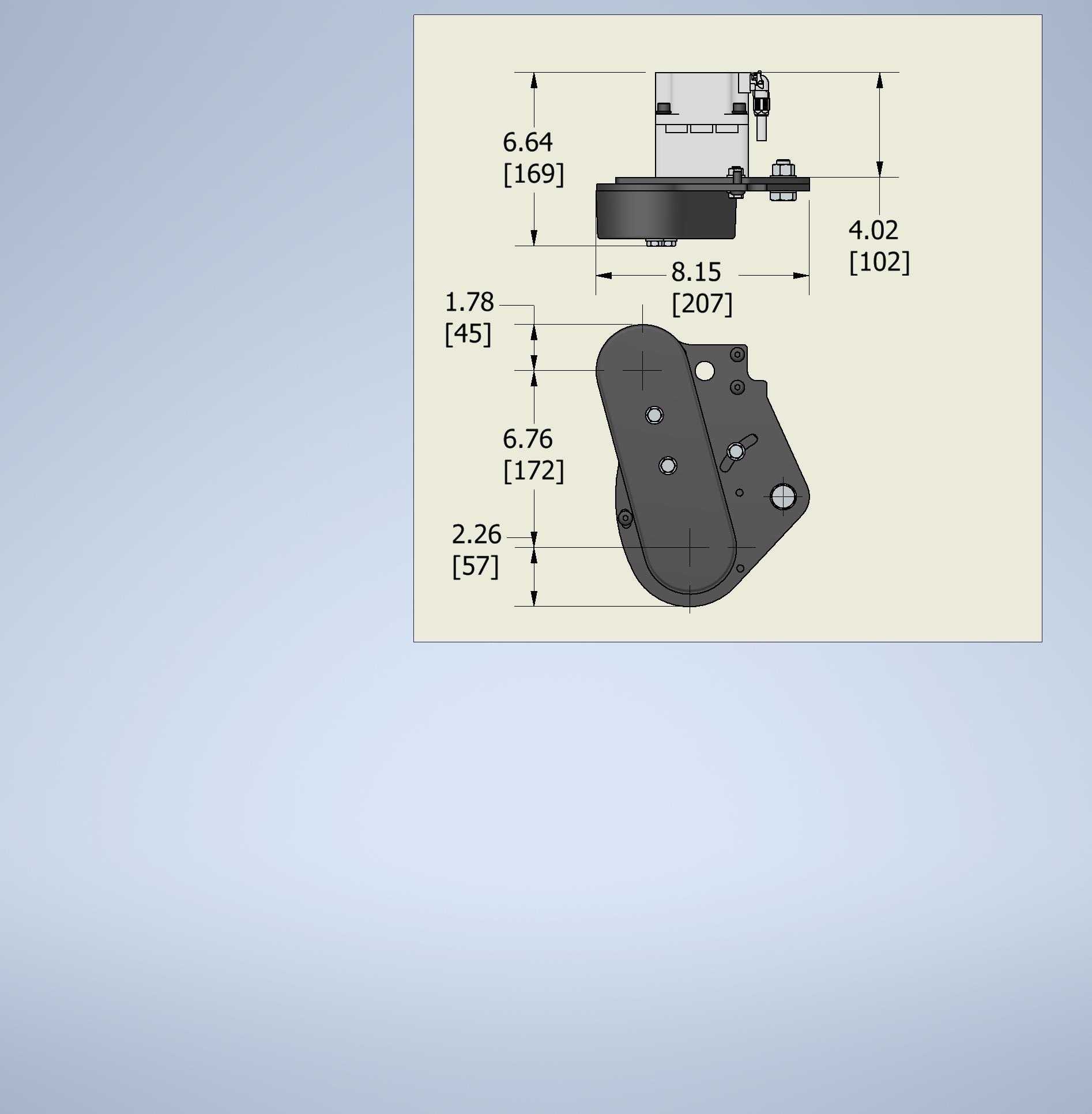
The underside needs room for the gearmotor, the timing-belt connection and access to their mounts. Supports and braces affect both where the drive sits and the path used to remove it; cable routing and guarding are planned with that space.
We coordinate the drive with the stand and machine layout.
Warranty
- Drive package
- 2 years, unlimited hours
- Bearings
- 5 years
Questions engineers ask
Tell us what it needs to move.
New installation or an existing conveyor, a brief description is all we need. We design and configure the rest.
Talk to an engineer40–90 W fixed-speed and 60–120 W brushless DC variable-speed motors, matched to a steady or adjustable pace. 40–90 W. The motor, enclosure, cabling and conveyor construction are reviewed together for the actual water or cleaning exposure.
No. Power, torque and RPM figures are references for the drive package, not conveyor load or belt-speed ratings. The selected motor, reduction ratio and duty decide the actual output; we confirm them for your conveyor.
The gearmotor sits below the conveyor frame, with a timing belt connecting it to the conveyor drive. Stands, cross-braces and nearby equipment still need to fit around the motor and its connection.
The underside needs room for the gearmotor, the timing-belt connection and access to their mounts. Supports and braces affect both where the drive sits and the path used to remove it; cable routing and guarding are planned with that space.
Drive package: 2 years, unlimited hours. Bearings: 5 years.
Compare with