Application
Conveyors for Vision Inspection
Put the feature the camera needs in front of it, the same way every time.
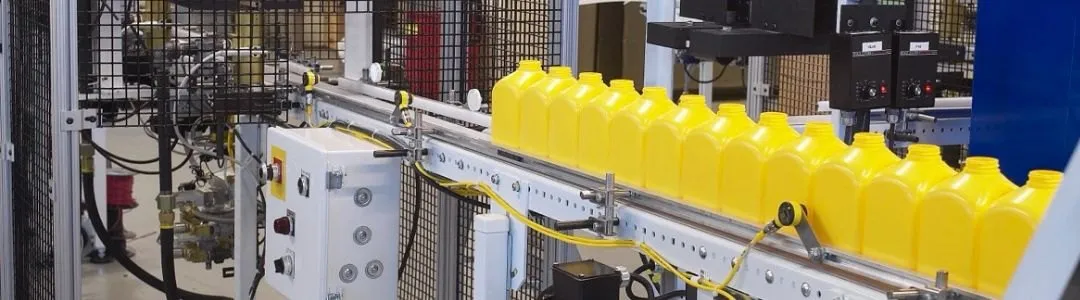
A camera needs a clear view of the feature it’s checking as the product arrives. We bring the conveying surface, part support and motion together for that view, with internal backlighting where profiles and edges are what matter.
Design it in CAD and export STEP files, or let our engineers design it.
01In detail
Present the product
The feature being inspected may need to face the camera, sit over a clear background, or stay exposed between supports. We choose how the product is carried or held around that view.
02Conditions
A steady view
Movement during the exposure blurs the image, and vibration can change how an edge looks. Our inspection conveyors use precision-machined pulleys and sealed bearings; the complete conveyor and camera setup decides the final image quality.
03How it works
Backlighting from inside the conveyor
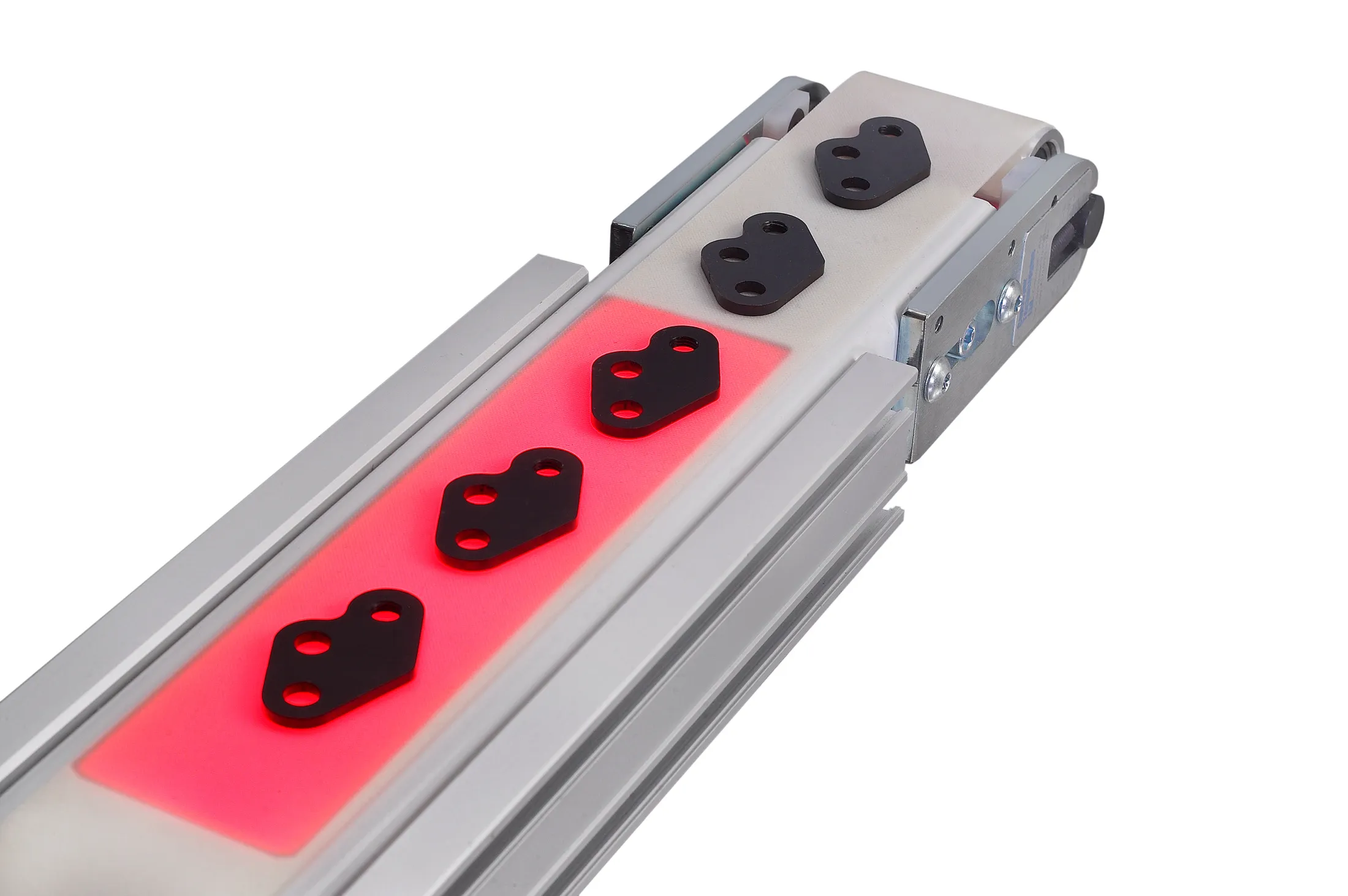
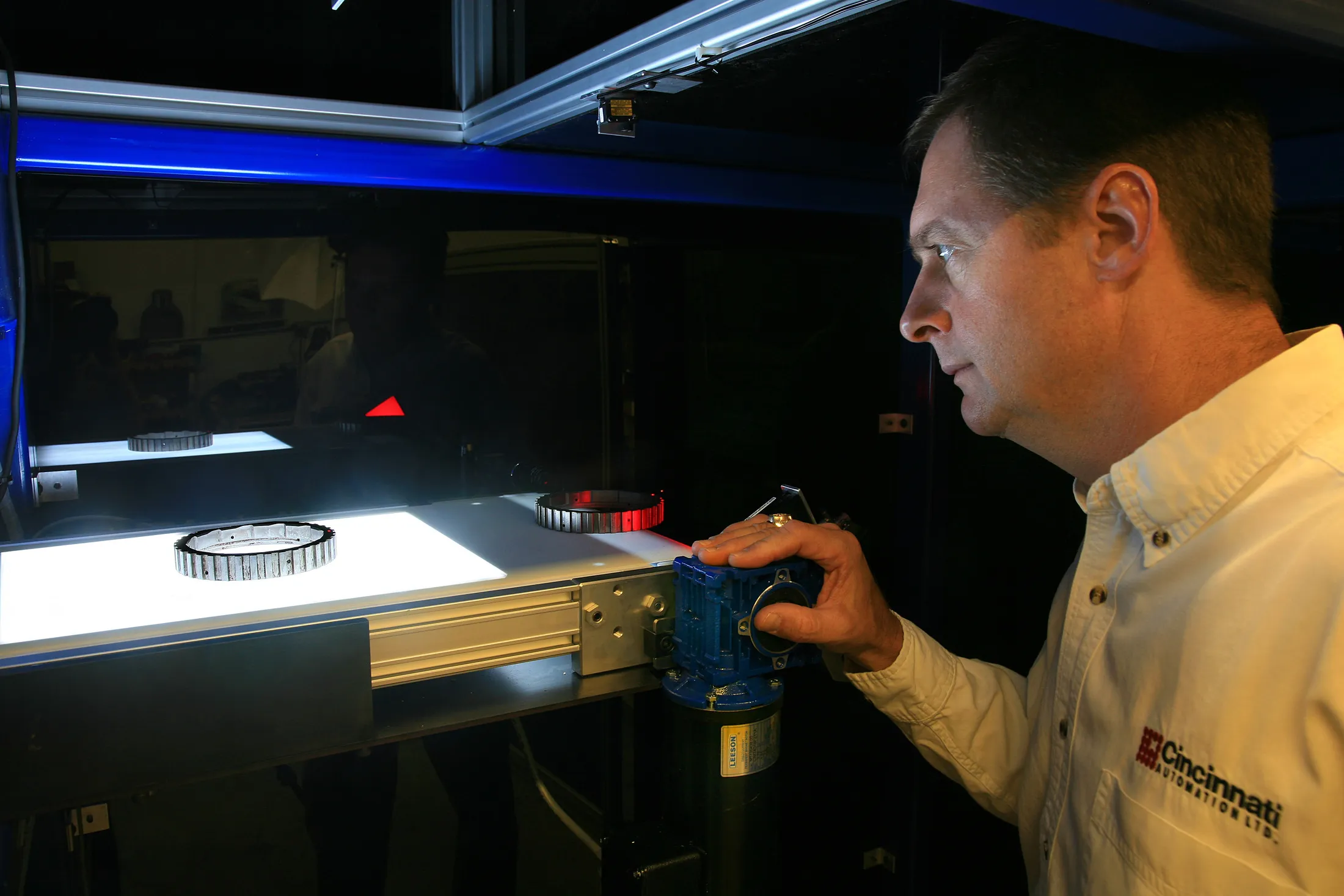
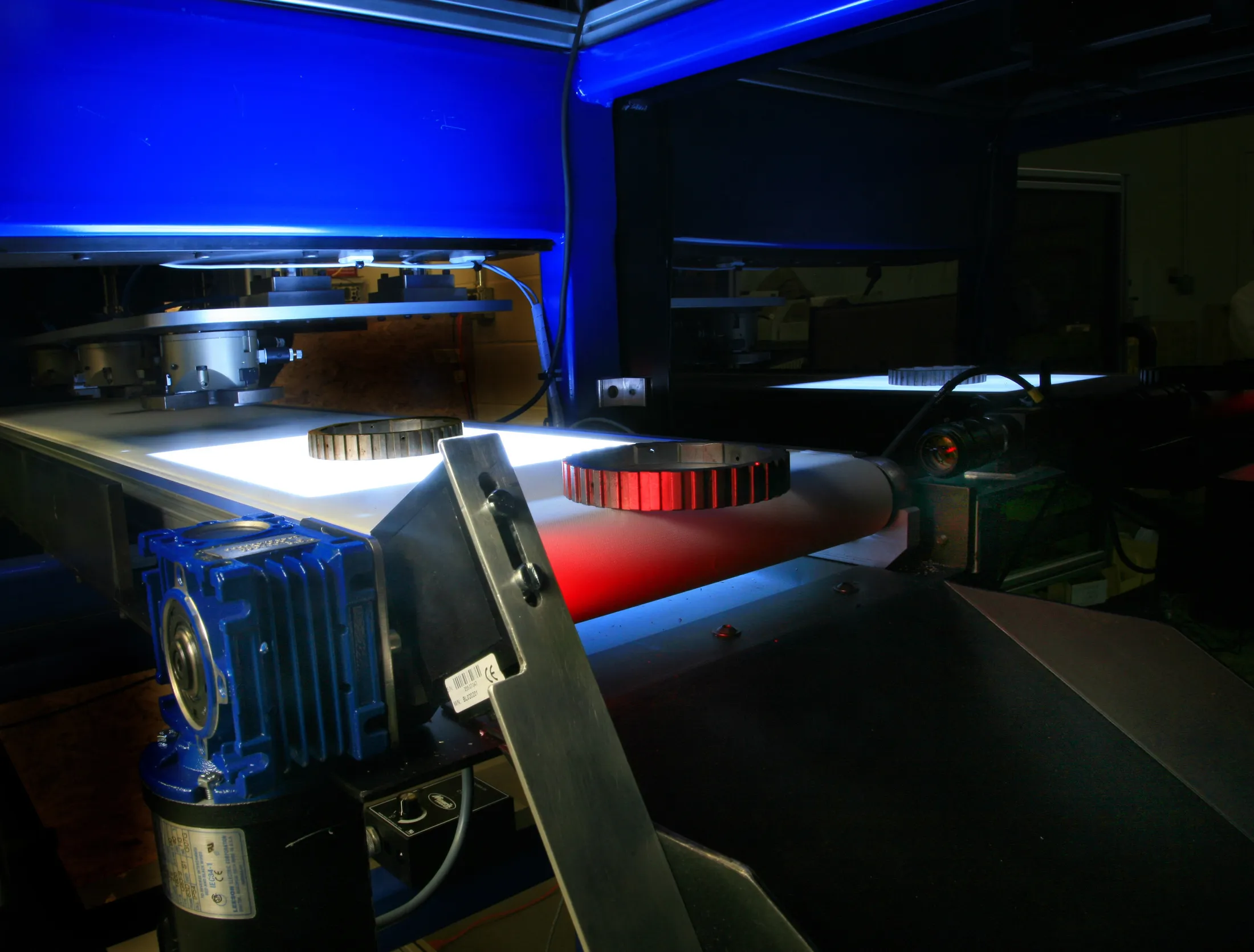
AccuVision places LED modules under a translucent belt. Light comes up through the belt, so a camera above sees each part as a sharp silhouette.
Profiles, edges and dimensions
Backlighting suits silhouette checks, edge detection and dimensional inspection of small parts and sensitive products, by camera or by eye.
AccuVision →Separate inspection zones
A backlit view and a top-lit view answer different questions. Where a product needs both, the layout can include separate zones with different lighting.
04In detail
Fit it into the machine
Room under the enclosure
Low-profile construction suits tight vertical space. End-drive and center-drive options put the motor where it clears the infeed and discharge.
Mount cameras and accessories
Mounting points and accessory rails fix equipment to the conveyor. Camera position, field of view and product path are planned together, along with drive location and cable routing.
05How it works
Time the capture
Continuous or indexed
Variable speed sets how fast products pass through the zone. Indexing stops each product at a set position; in continuous motion, the capture is timed to the moving product.
Precision Indexing →Trigger on position
Encoder feedback lets the camera fire when the belt reaches a position, not just after a fixed time. Trigger, speed and reject timing depend on your controls and inspection equipment.
06Recommended conveyors
Conveyors to explore
Camera, lighting, software and control compatibility are specific to your system.
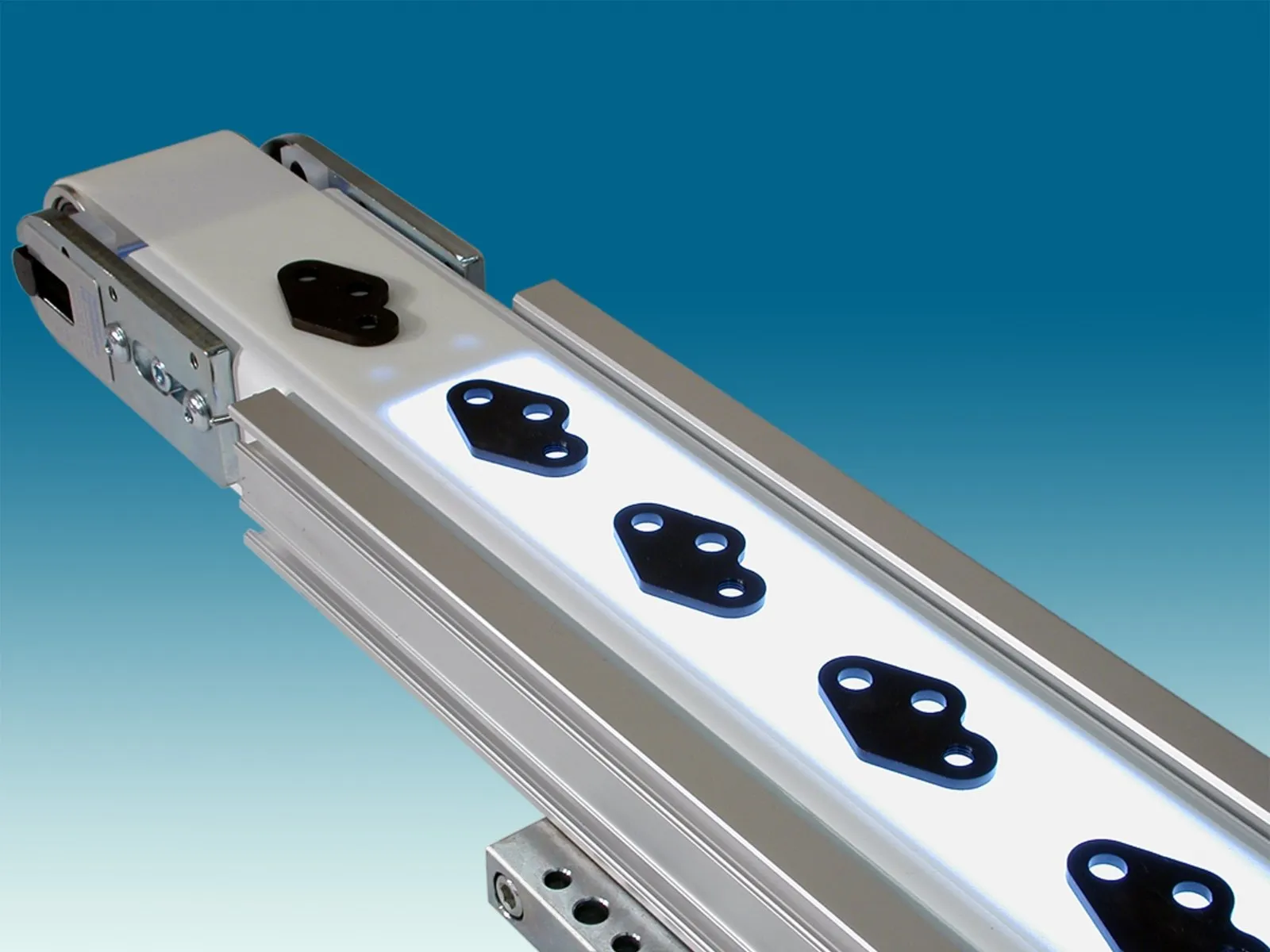 ConveyorUseful when you need a profile or edge against a lit background.
AccuVision Internal Backlit Conveyor
Useful when you need a profile or edge against a lit background.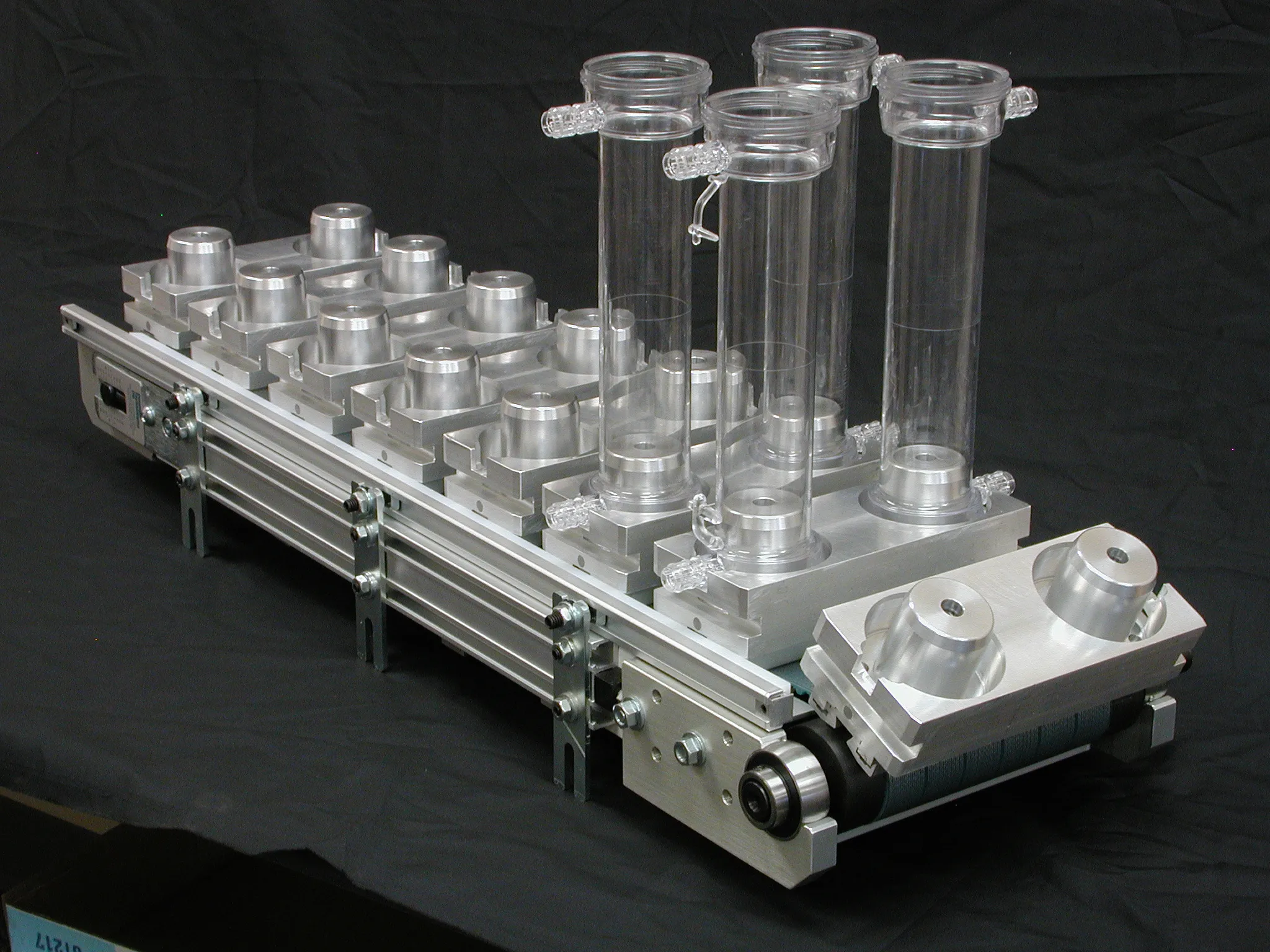 ConveyorUseful when products stop at inspection positions.
AccuMove Conveyors
Useful when products stop at inspection positions.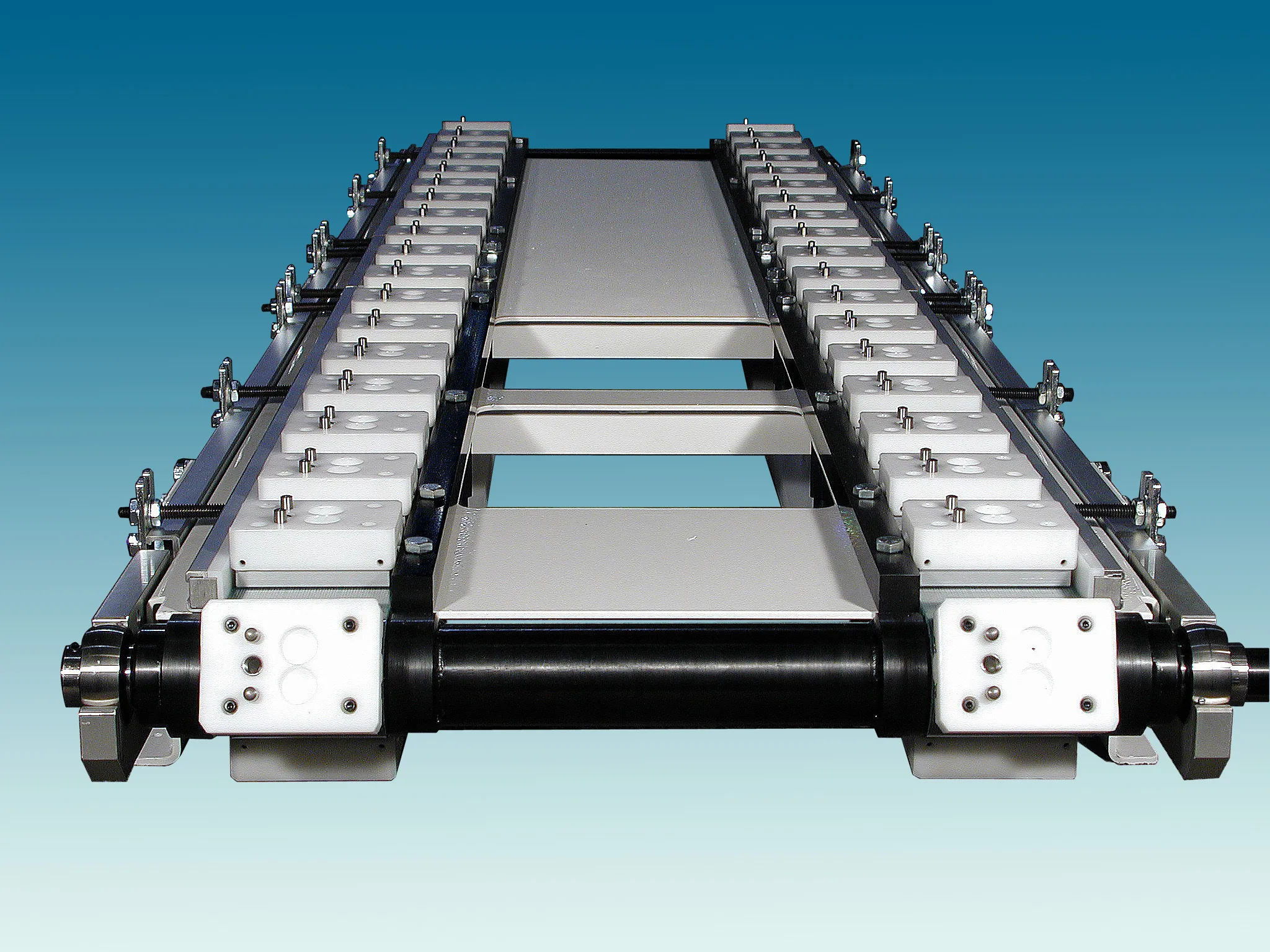 ConveyorUseful when a holder must present the part’s features to the camera.
Dual Belt Indexing Conveyor
Useful when a holder must present the part’s features to the camera.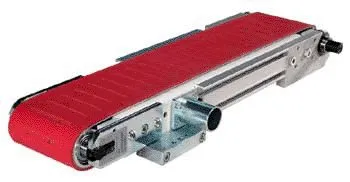 ConveyorUseful when thin or light products need holding flat during inspection.
Vacuum Conveyors
Useful when thin or light products need holding flat during inspection.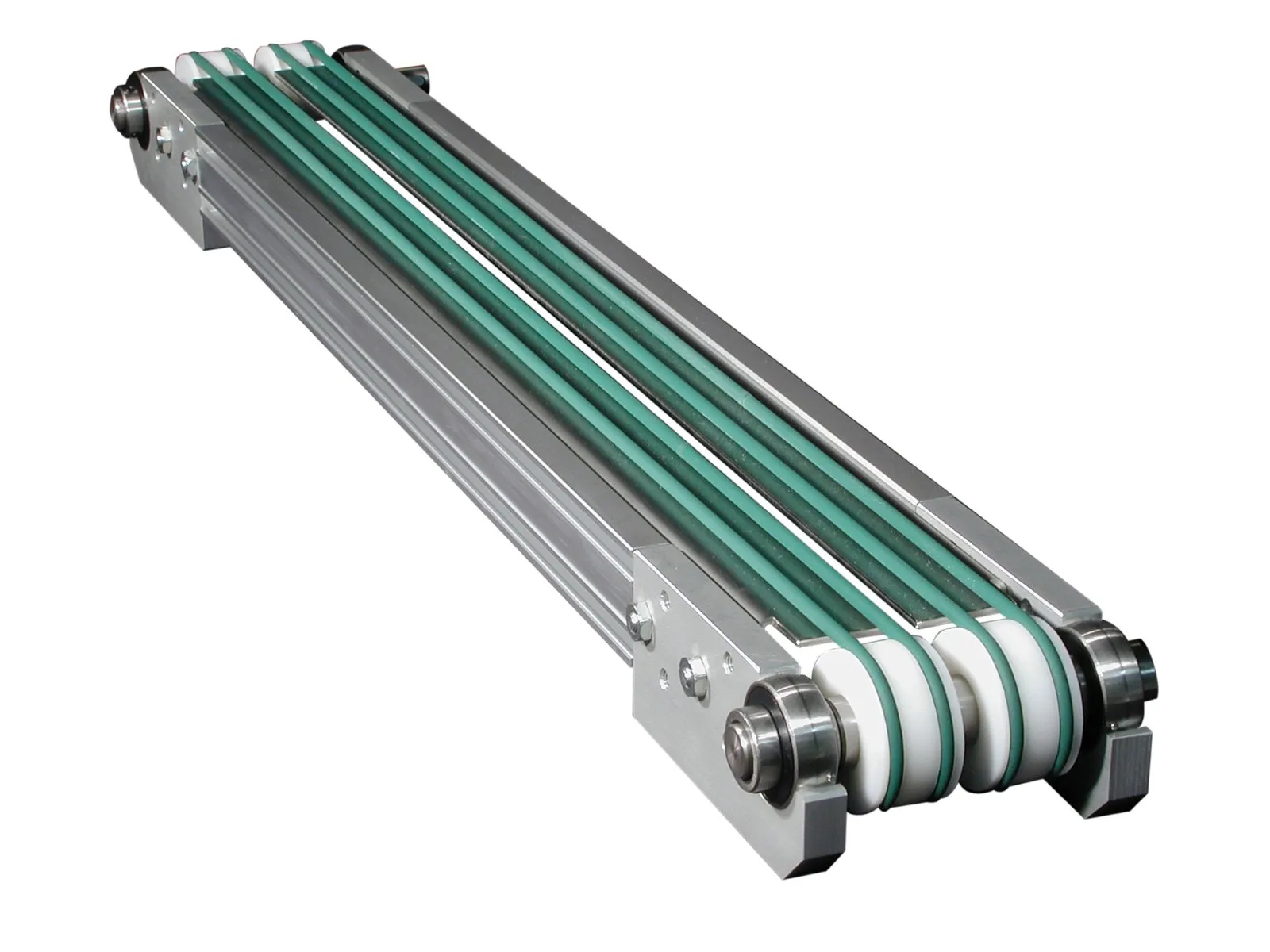 ConveyorUseful when an irregular part needs support at set points, leaving surfaces open for the camera.
Round Belt Conveyors
Useful when an irregular part needs support at set points, leaving surfaces open for the camera.