
Drive systems
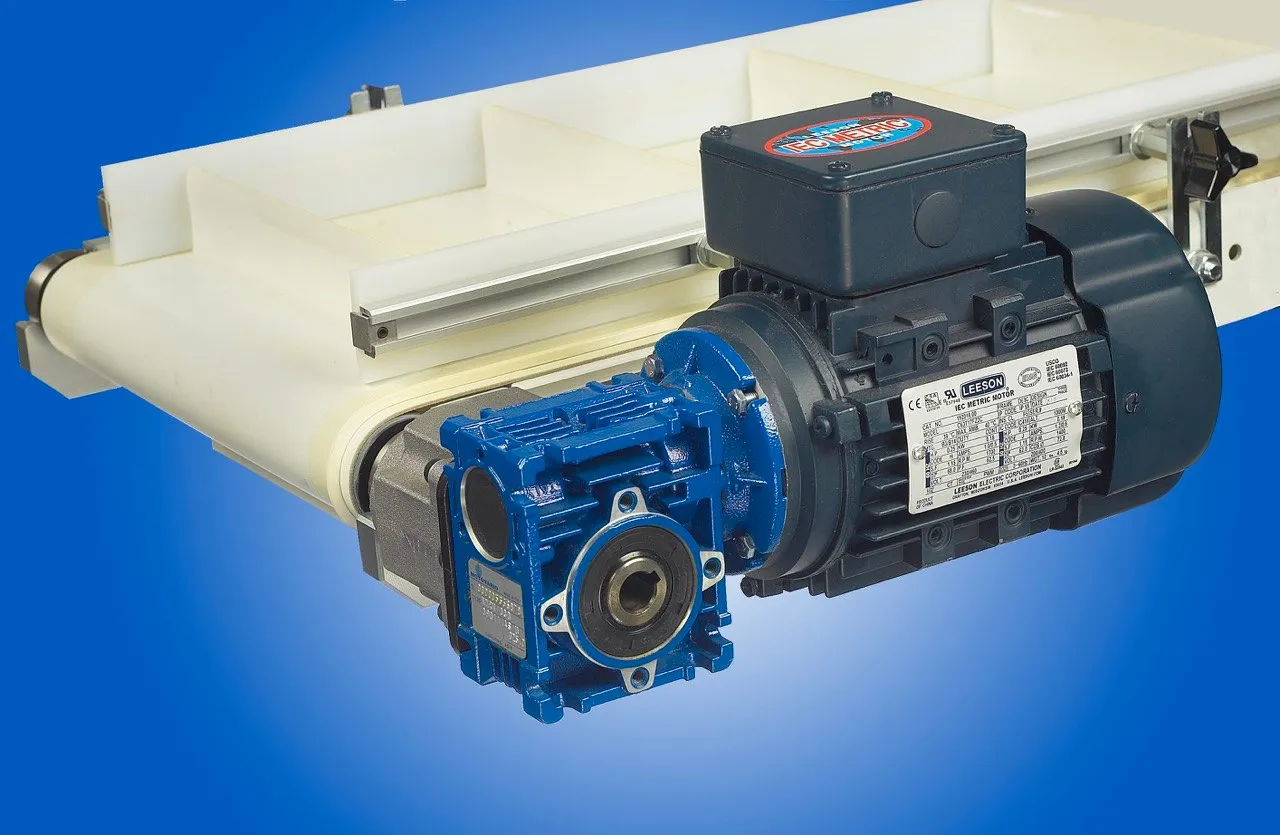
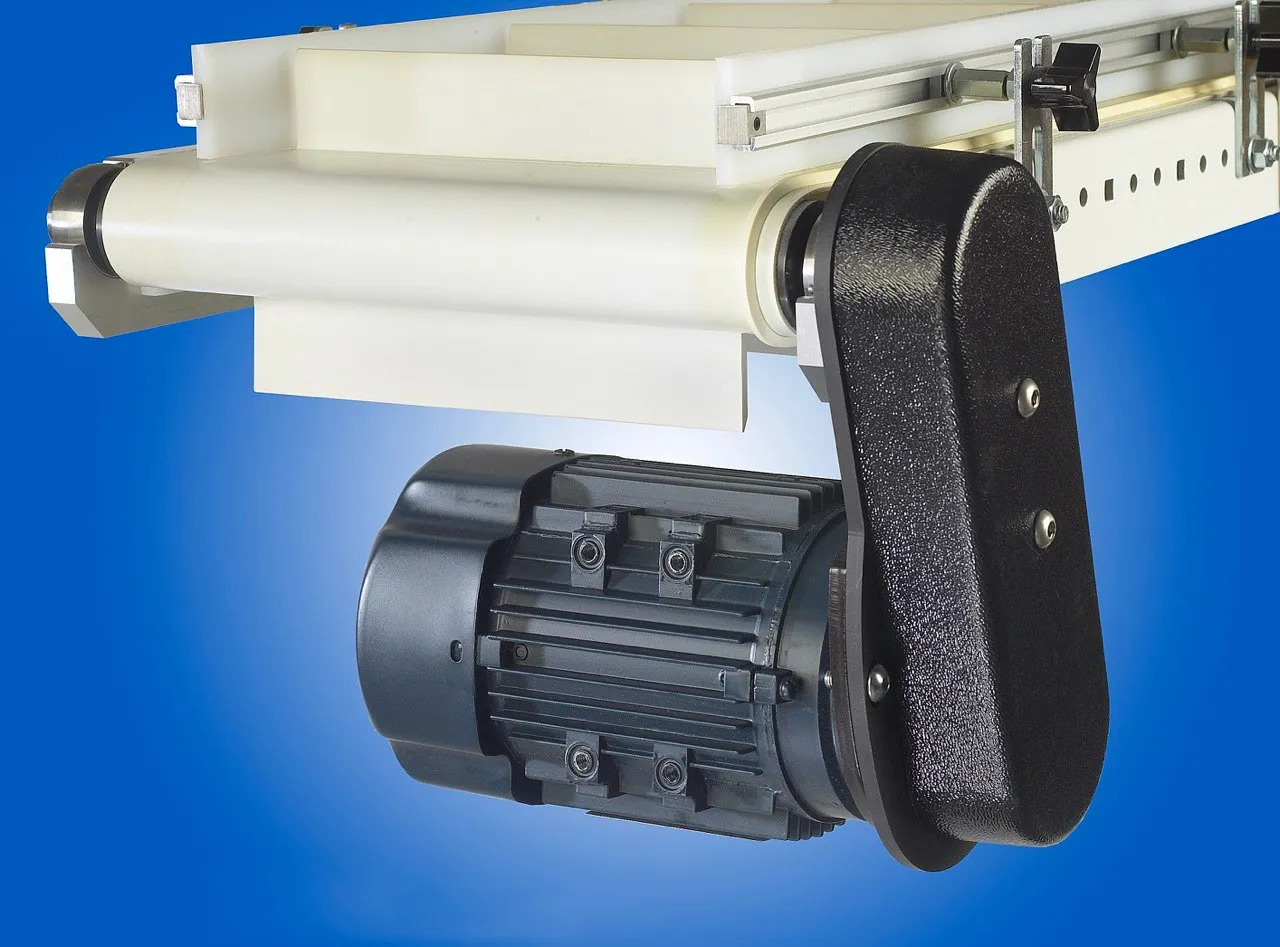
Heavy Duty Right Angle Gear Motor
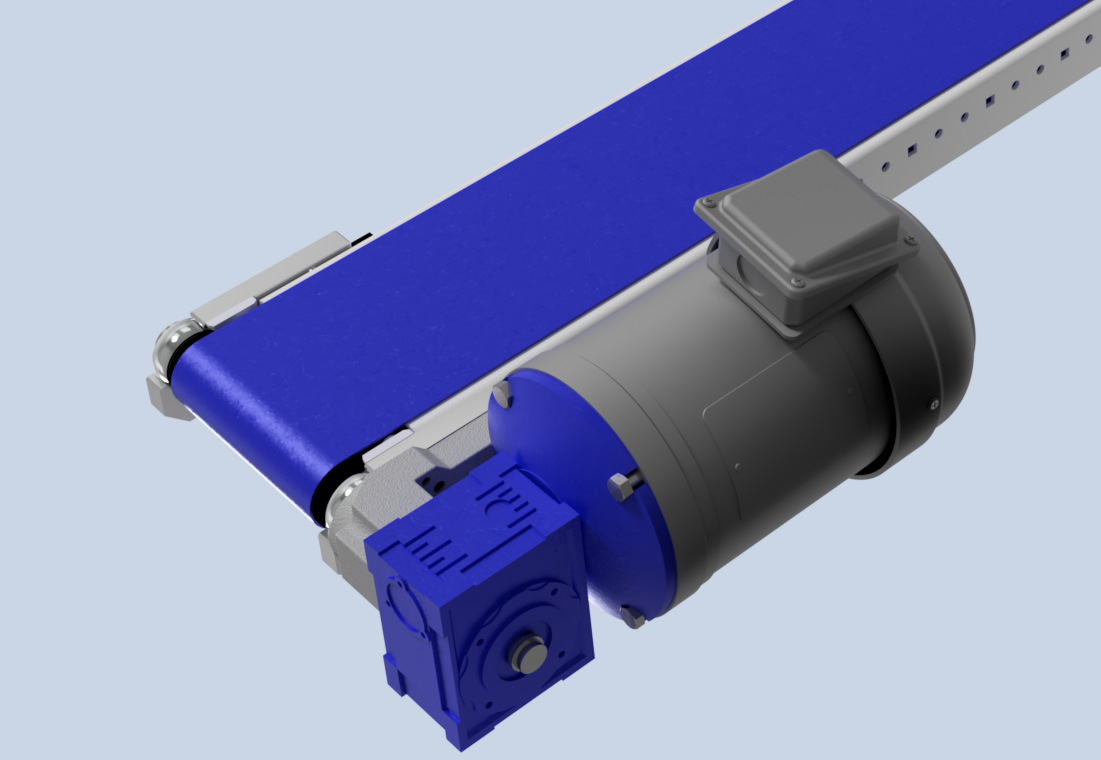
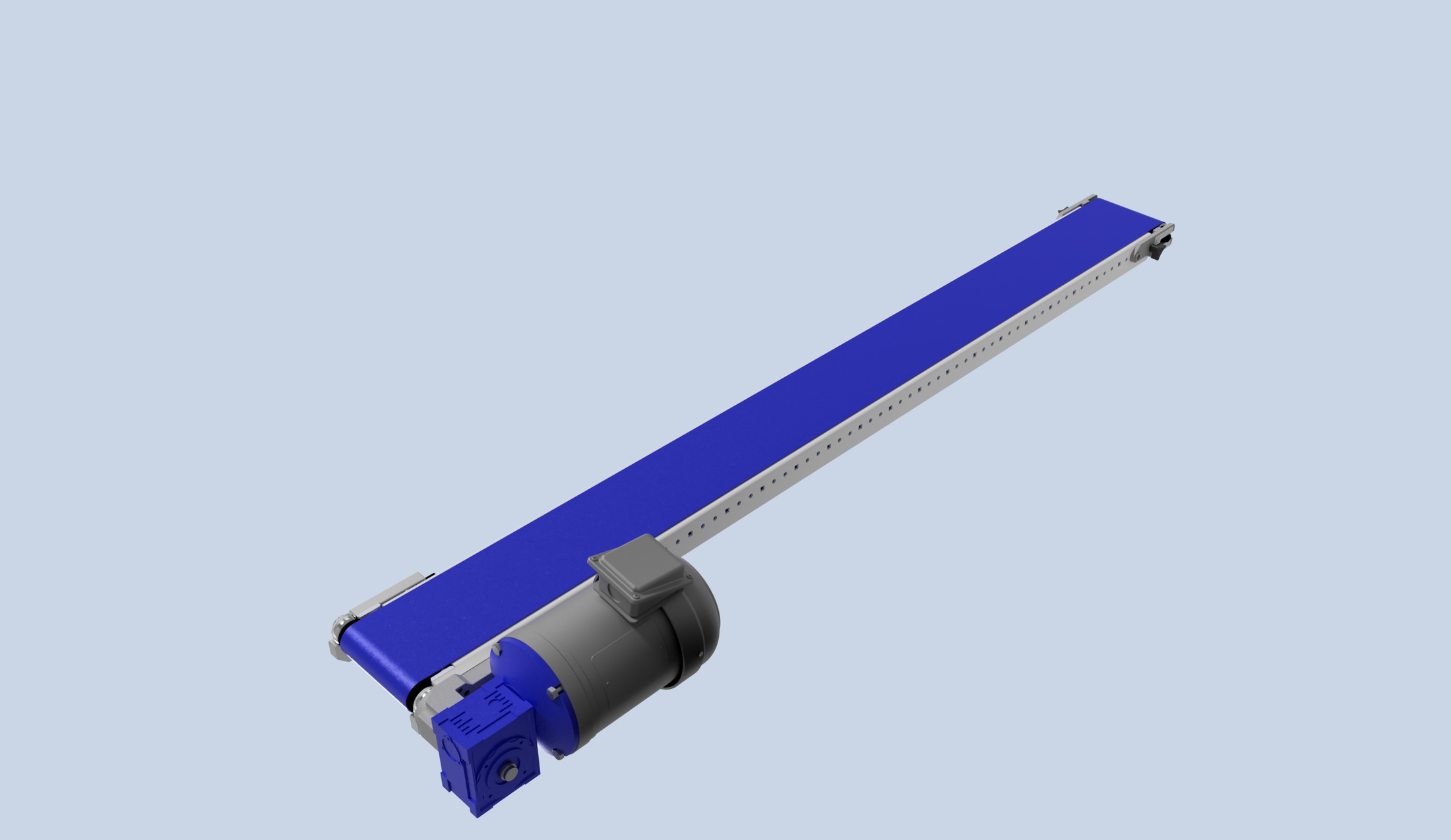
A right-angle drive with an alloy case and larger motor choices, for conveyors with more demanding duty: holders, inclines or frequent starts.
A right-angle, jaw-coupled drive with AC and DC motor choices for the conveyor’s operating duty. We select the motor and reduction ratio around the load, movement cycle and machine space.
Design it in CAD and export STEP files, or let our engineers design it.
Preview unavailable. Open original image ↗
- Connection
- Jaw coupling
- Package power
- 0.18–0.75 kWpackage reference
- Motors
- 230/460V 3-phase AC or 90V DC
- Housing
- Alloy casing
How it fits
How it fits your conveyor.
Right-angle machine fit
The reducer turns the drive through a right angle and a jaw coupling connects it to the conveyor, so the motor and conveyor connection point in different directions. Mounts and coupling access are part of the surrounding layout.
Sized for the duty
Moving the product is only part of the drive’s task. Holders, inclines and repeated starts also affect the output and duty needed. We weigh these to select the motor and gearing.
In practiceThe drive is chosen for the whole job, not just the weight of the product.
Drive position
Where each drive sits on the conveyor
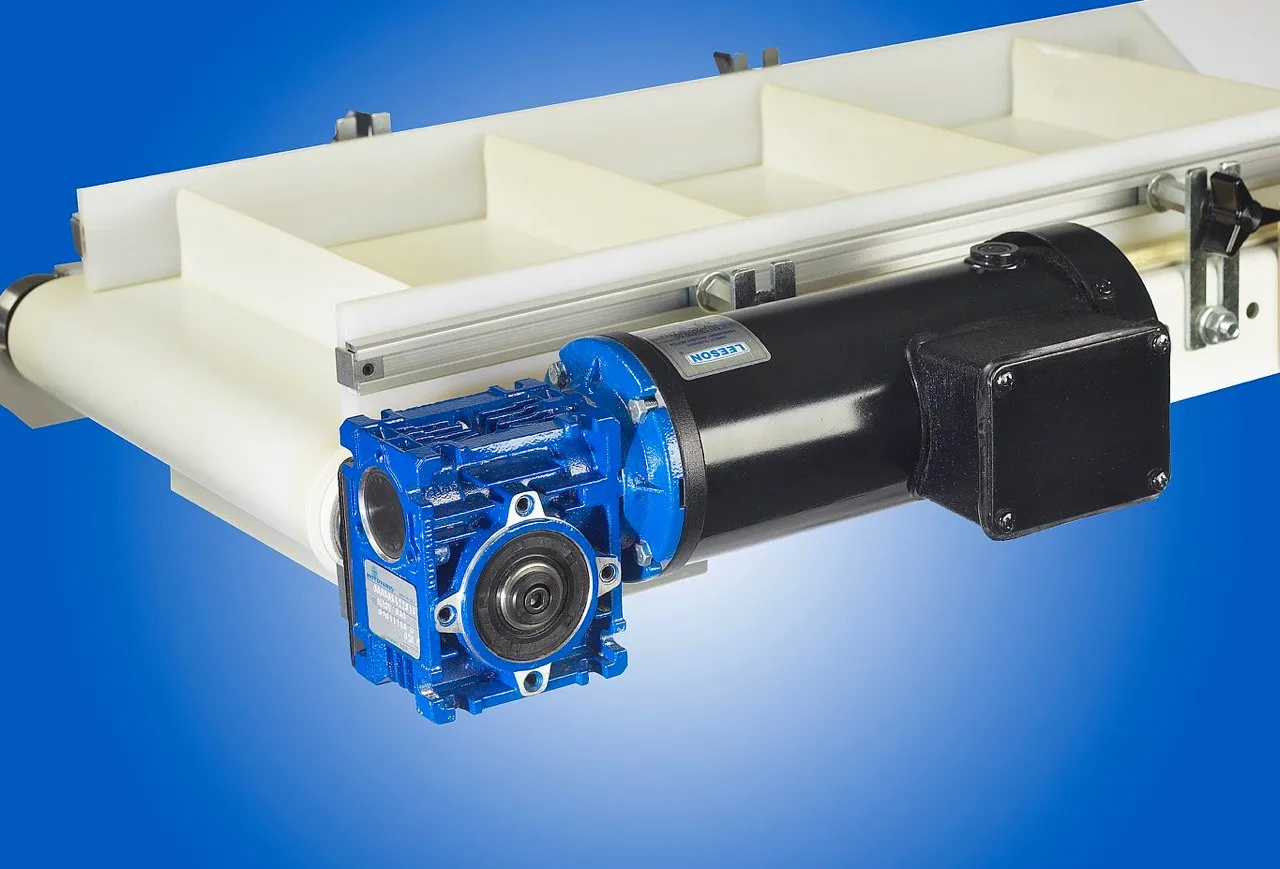
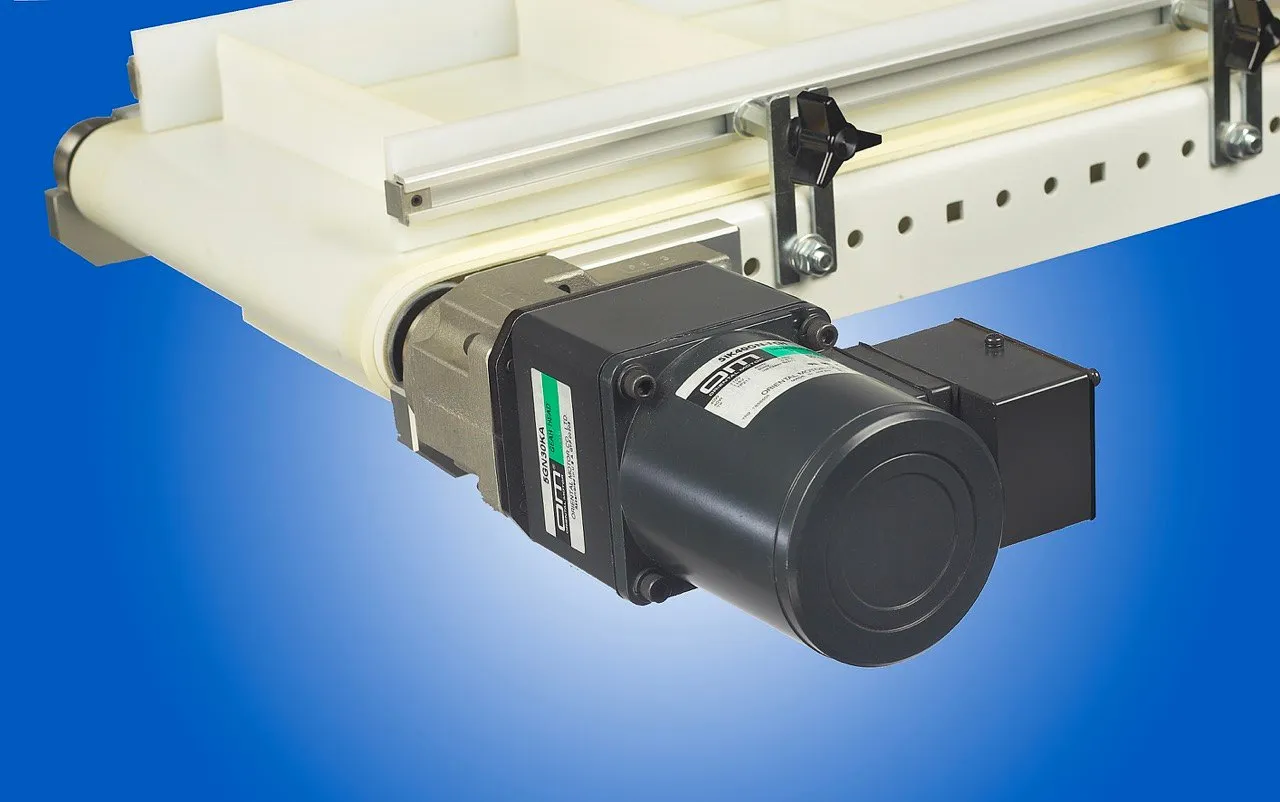
The drive goes where the machine leaves room: on the shaft, in line with it, at a right angle, or underneath the frame.
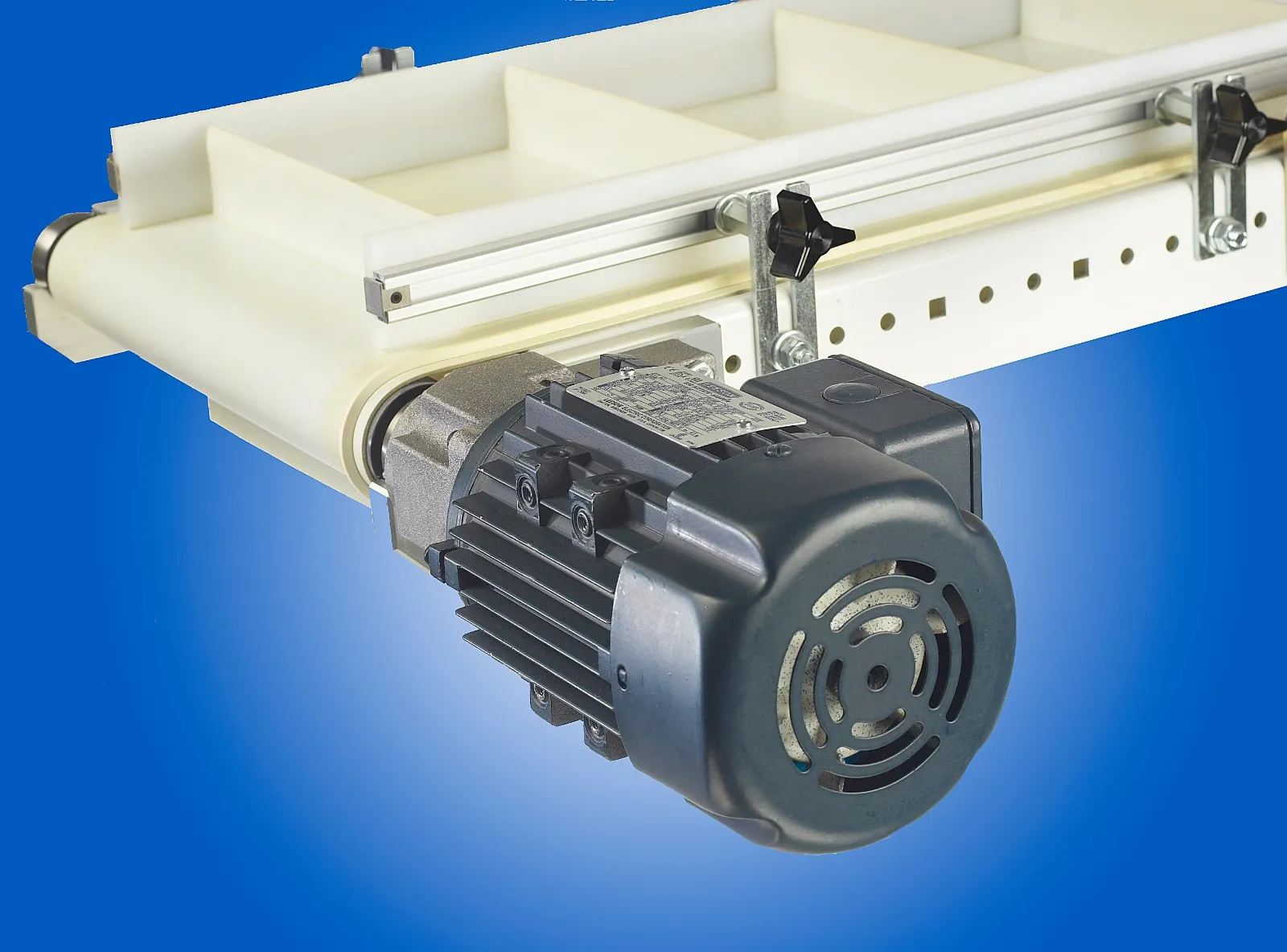
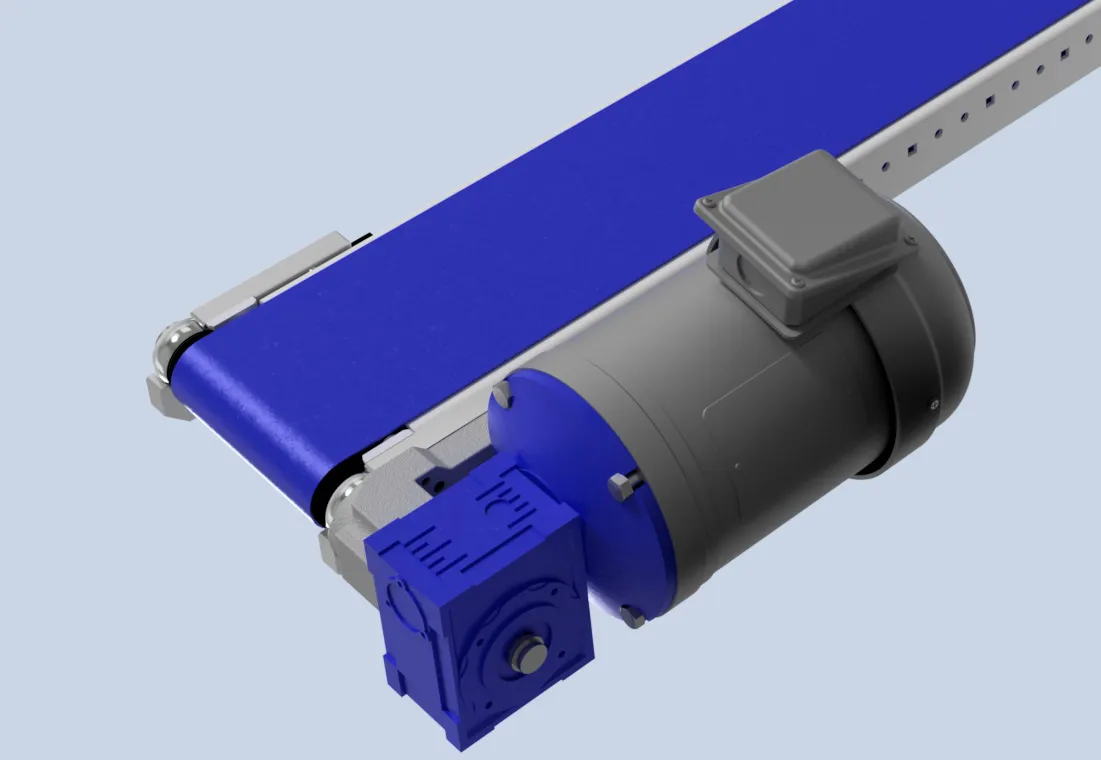 This drive
Heavy Duty Right Angle
At a right angle to the shaftJaw coupling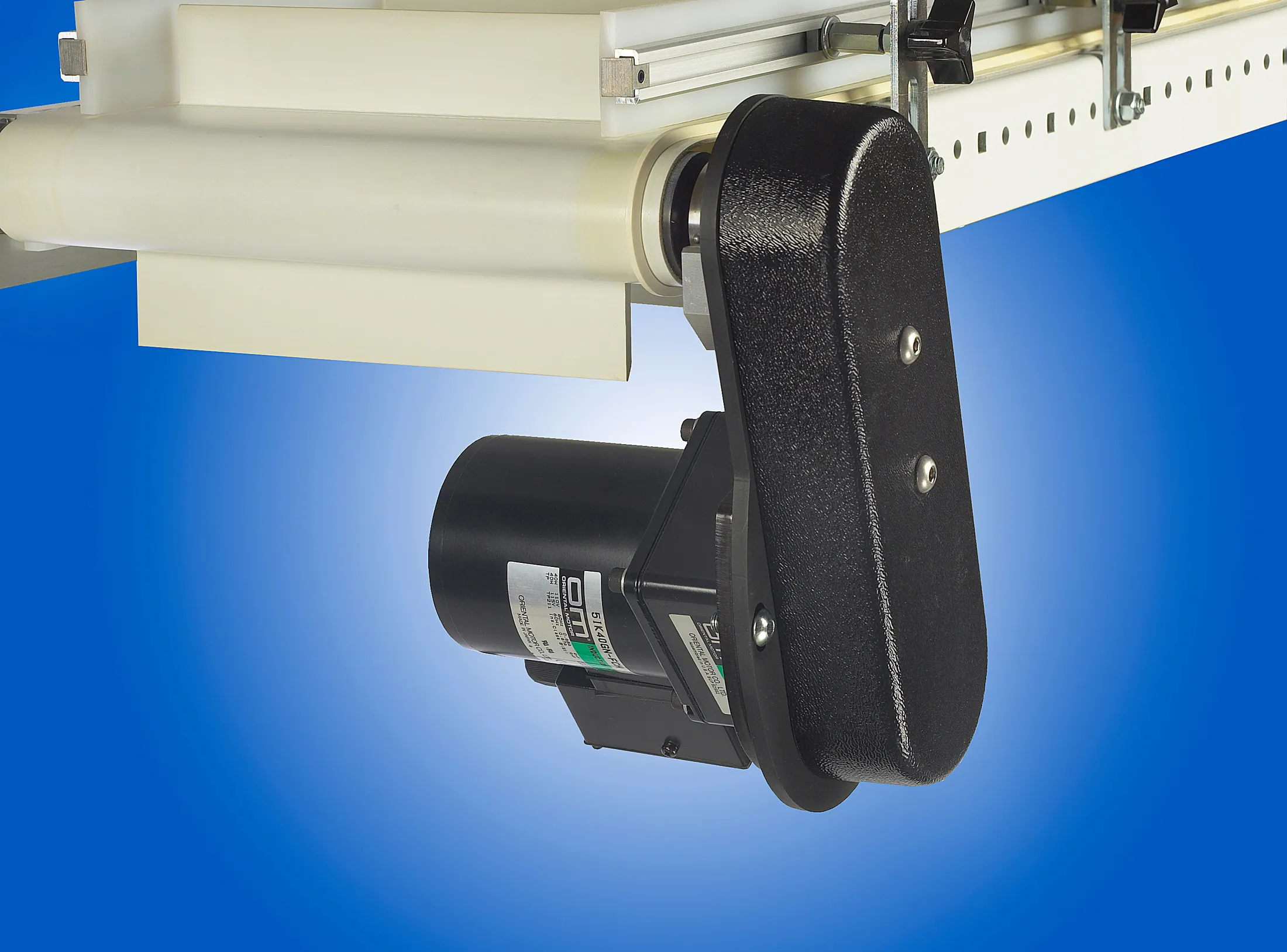
Service and support
Service access
The jaw coupling, reducer mounts and motor connections are separate access points, and where they sit decides how the drive is inspected and removed. We plan them with the supports, guards and cable route.
For a replacement, the existing motor, gearbox and conveyor identifiers help us tell the installed package apart.
Warranty
- Drive package
- 2 years, unlimited hours
- Bearings
- 5 years
Questions engineers ask
Tell us what it needs to move.
New installation or an existing conveyor, a brief description is all we need. We design and configure the rest.
Talk to an engineer230/460V three-phase AC and 90V DC, matched with the electrical supply as part of the package. Variable-speed operation for processes that change pace. The controller, motor and gearing set the usable range and the machine commands needed.
No. Power, torque and RPM figures are references for the drive package, not conveyor load or belt-speed ratings. The selected motor, reduction ratio and duty decide the actual output; we confirm them for your conveyor.
The reducer turns the drive through a right angle and a jaw coupling connects it to the conveyor, so the motor and conveyor connection point in different directions. Mounts and coupling access are part of the surrounding layout.
The jaw coupling, reducer mounts and motor connections are separate access points, and where they sit decides how the drive is inspected and removed. We plan them with the supports, guards and cable route.
Drive package: 2 years, unlimited hours. Bearings: 5 years.