Application
Precision Indexing Conveyors
Move a part, stop it where the work happens, move it on.
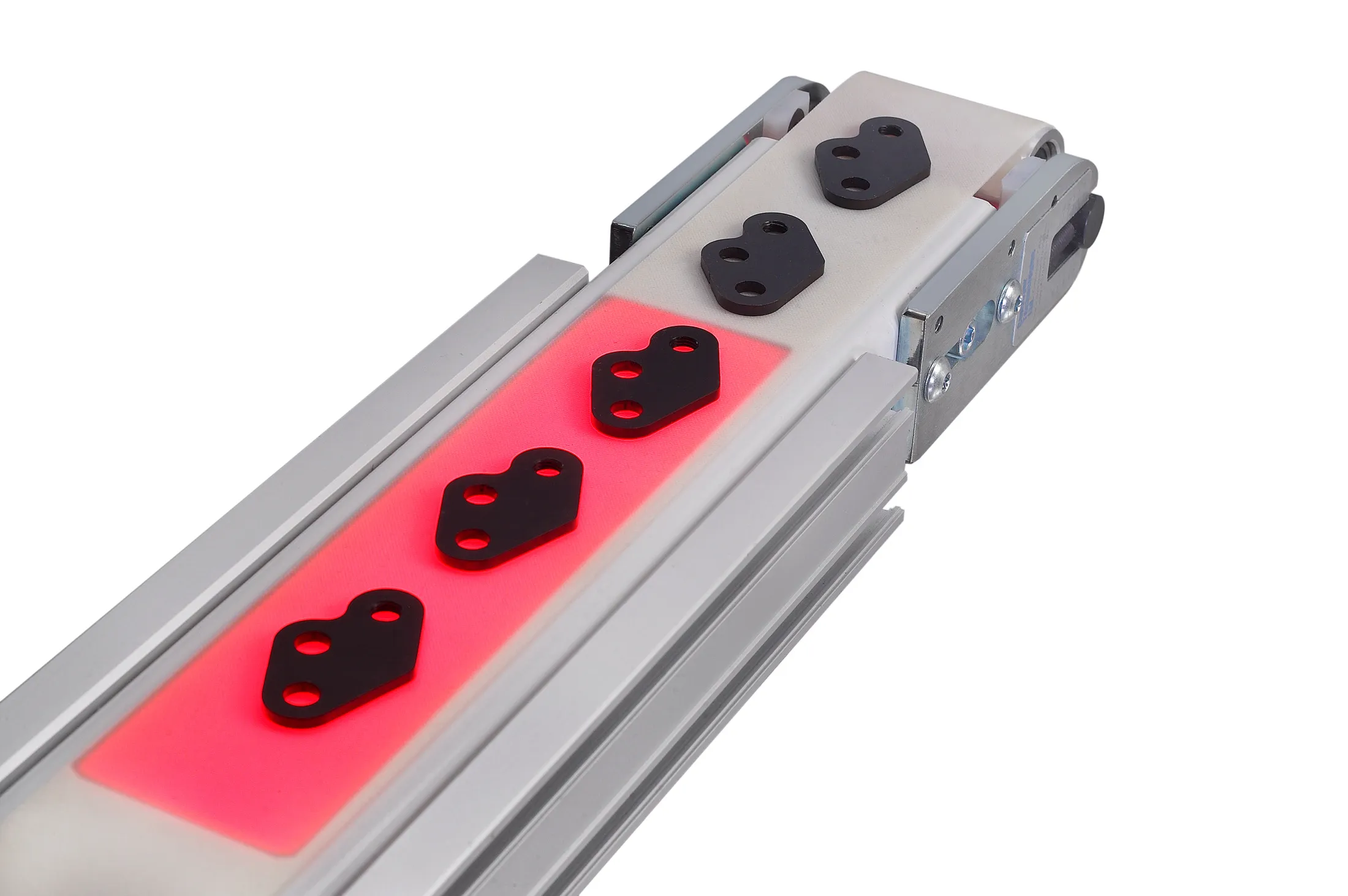
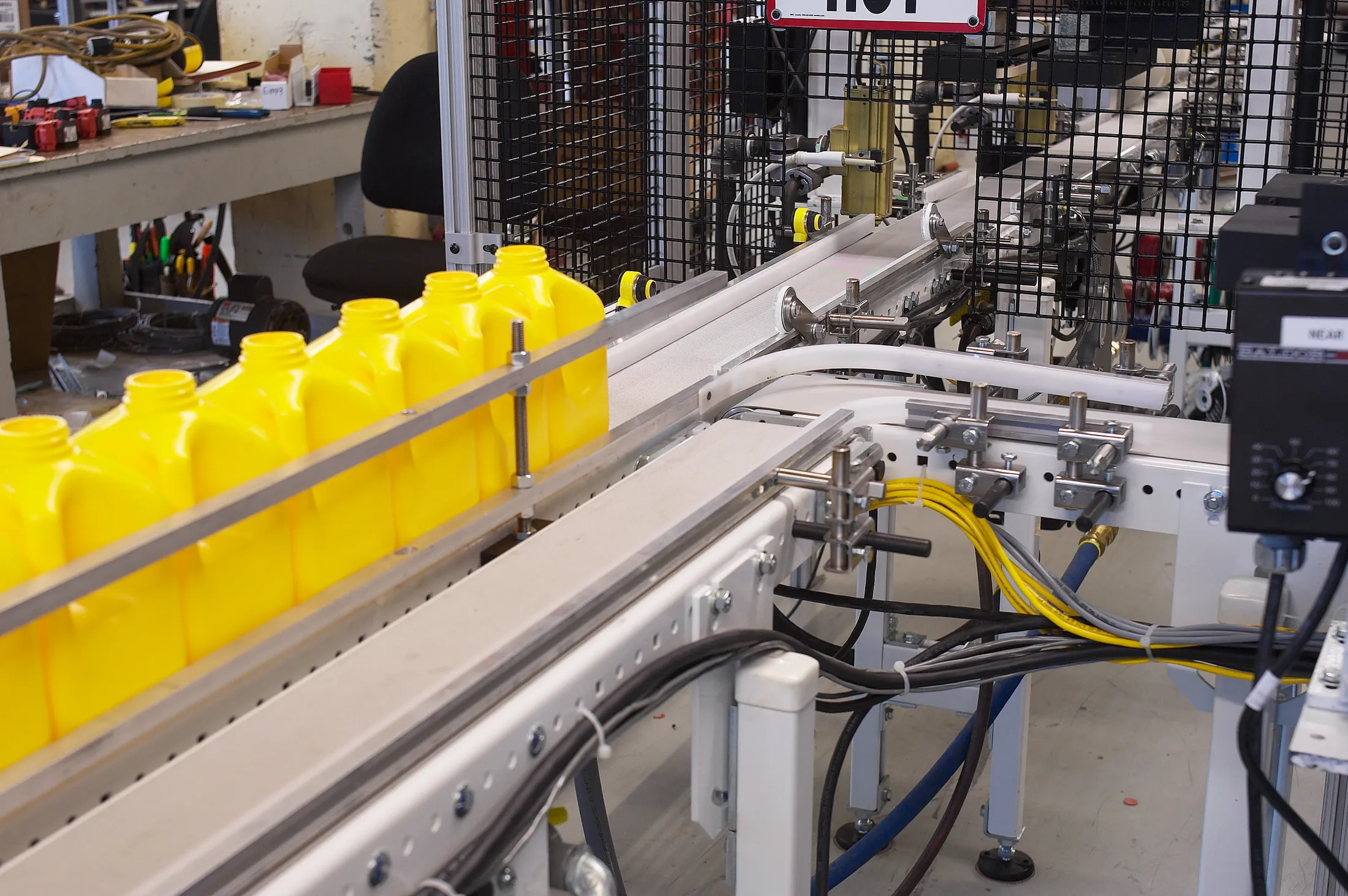
Indexing conveyors advance a part to a working position and hold it there while an operation is done: assembly, labeling, marking or inspection. We supply timing-belt and part-holder arrangements for each kind of station.
Design it in CAD and export STEP files, or let our engineers design it.
01How it works
How an index cycle works
Timing-belt teeth lock into grooves in the pulley, so every turn of the drive becomes a precise amount of belt travel. Each cycle then has three phases.
Accelerate and advance
The belt moves the set index distance toward the next station.
Slow down and position
The belt decelerates as the part reaches the working position.
Dwell
The belt pauses while the station works. The motion control sets how long.
02How it works
Keep the part where you put it
Starting and stopping can shift a loose part on the belt, and the belt being in position doesn’t mean the part is. How the part is held, its weight and the motion profile all matter as much as the belt movement itself.
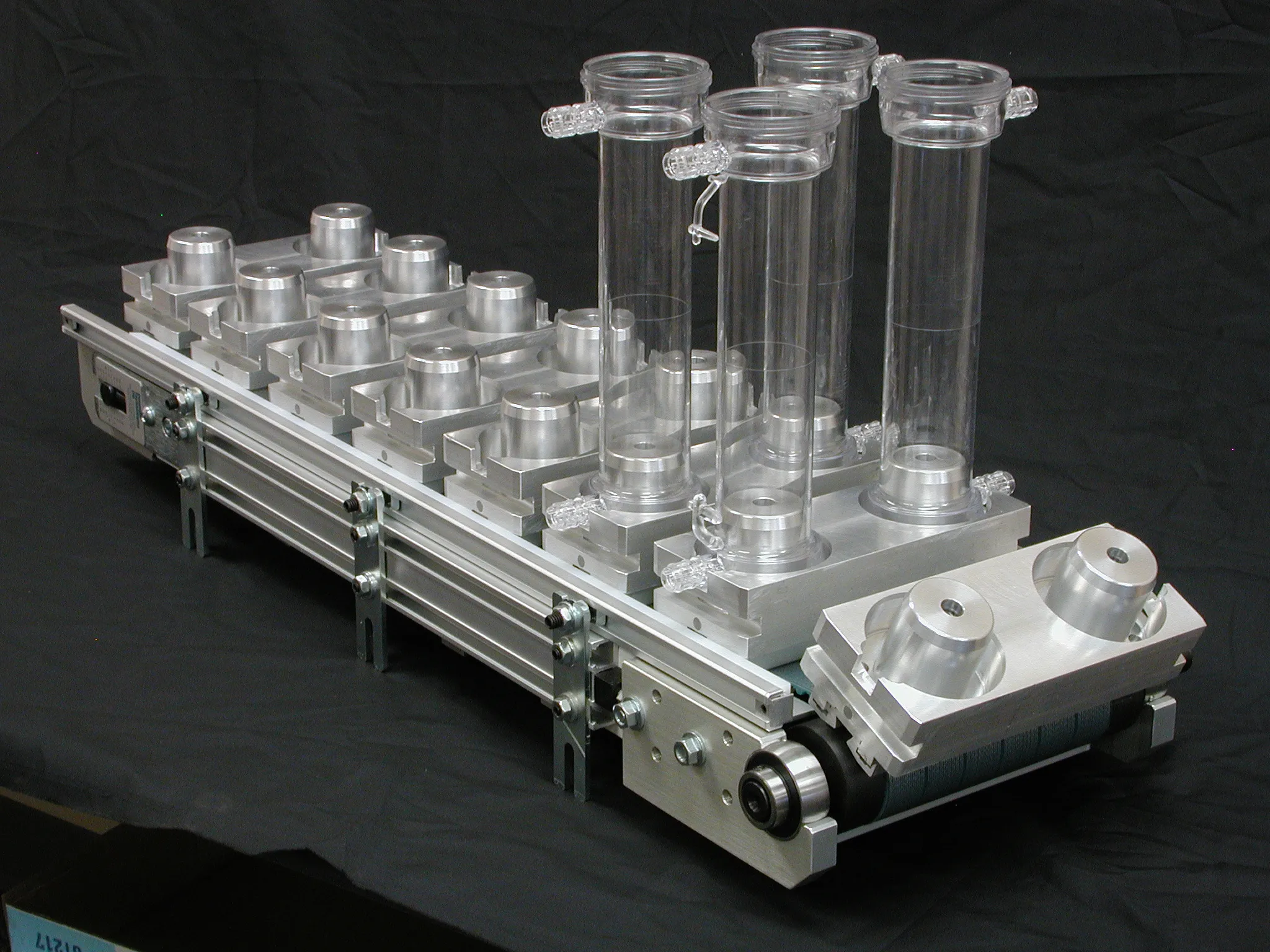
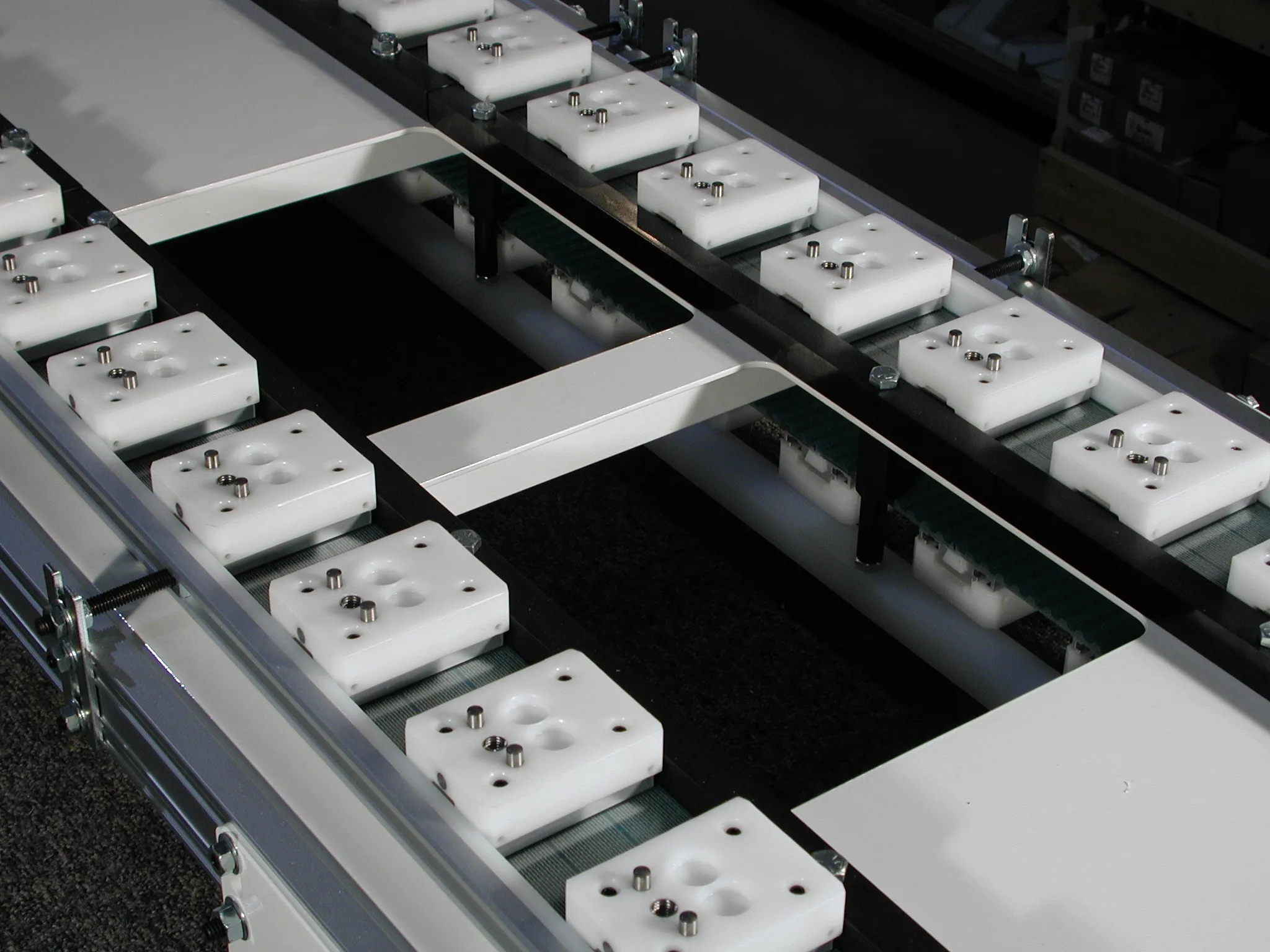
Fixtures and nests
Holders that locate the part by its edges, flanges or cavities, and travel with it through every station.
Removable holders and sub-plates let you change products without changing the belt.
FlexLoc →Holders on two belts
The Dual Belt Indexing Conveyor carries holders on two timing belts, either separate or spanning both, for wider or awkward parts.
Dual Belt →Vacuum holding
For thin or light parts with nothing a fixture can grip, vacuum holds the part to the belt. Whether it suits depends on the part’s surface, contact area and the motion cycle.
Vacuum →
03Reference
Choose how the motion is controlled
Changing the index distance or dwell changes how the part meets the station. We choose the motion around the operation, part load and number of product setups, and check drive compatibility and position verification together.
| Approach | What it gives you |
|---|---|
| Servo | Programmable index distance, acceleration and dwell, with position feedback that corrects the movement. |
| Brushless DC | Variable speed for an application with a fixed index. |
| Stepper | Moves the motor in set steps without feedback; add position verification if the application needs it. |
04In detail
Where indexing is used
Labeling and marking
The label or code has to land in the same place on every part, so both the stopping position and the part’s orientation count.
Inspection
Parts pause or are positioned where a camera takes the image. Motion and holding decide how the part is presented; lighting and camera timing complete the setup.
Assembly and robotic handling
A fixture presents the right features to the tooling or robot, and the dwell gives it time to work.
05Recommended conveyors
Conveyors to explore
- ConveyorTiming-belt indexing and synchronized movement.
AccuMove Conveyors
Timing-belt indexing and synchronized movement. 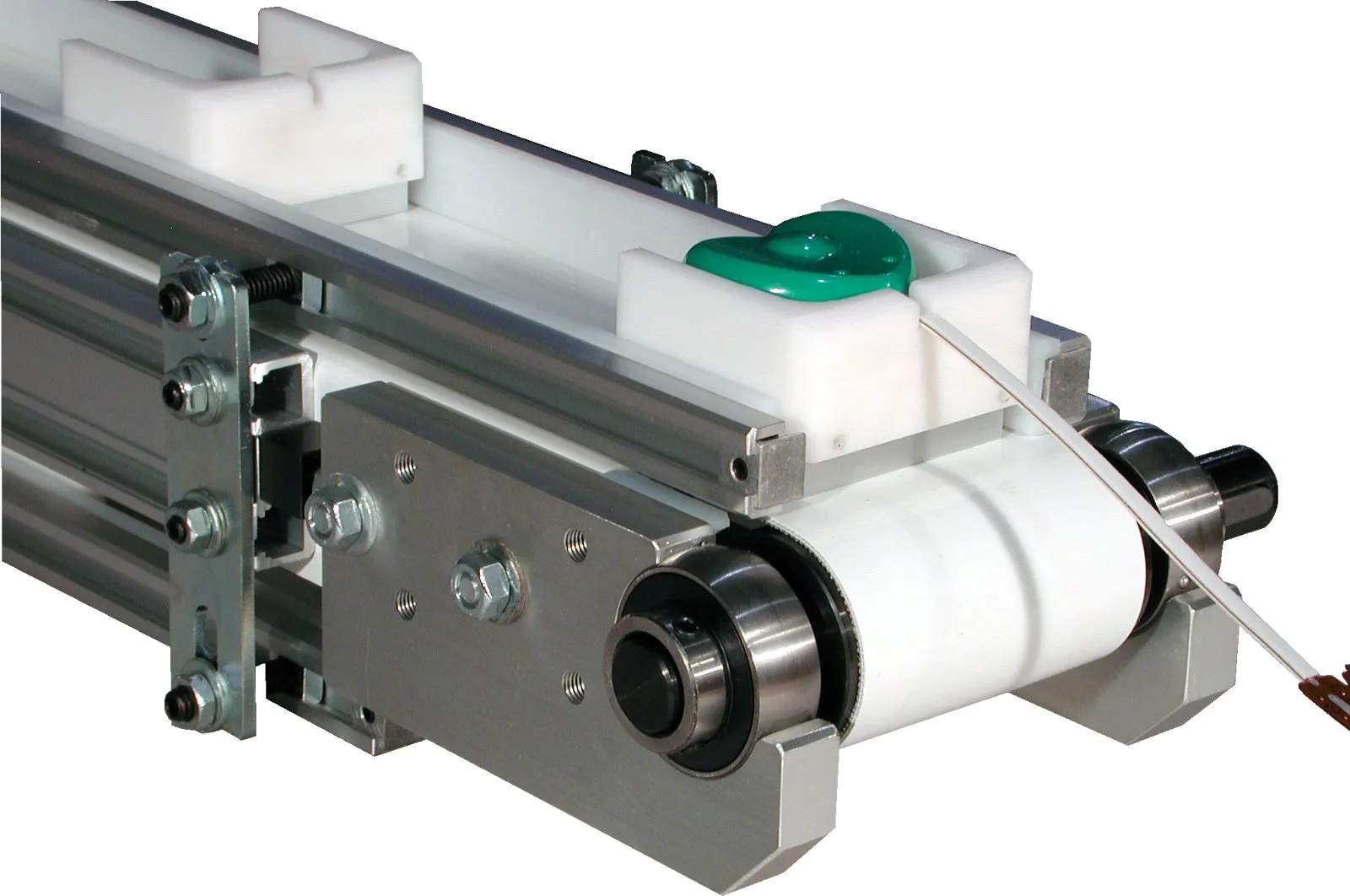 ConveyorGuided holders and sub-plates that come off without tools.
FlexLoc Convertible Holder System
Guided holders and sub-plates that come off without tools.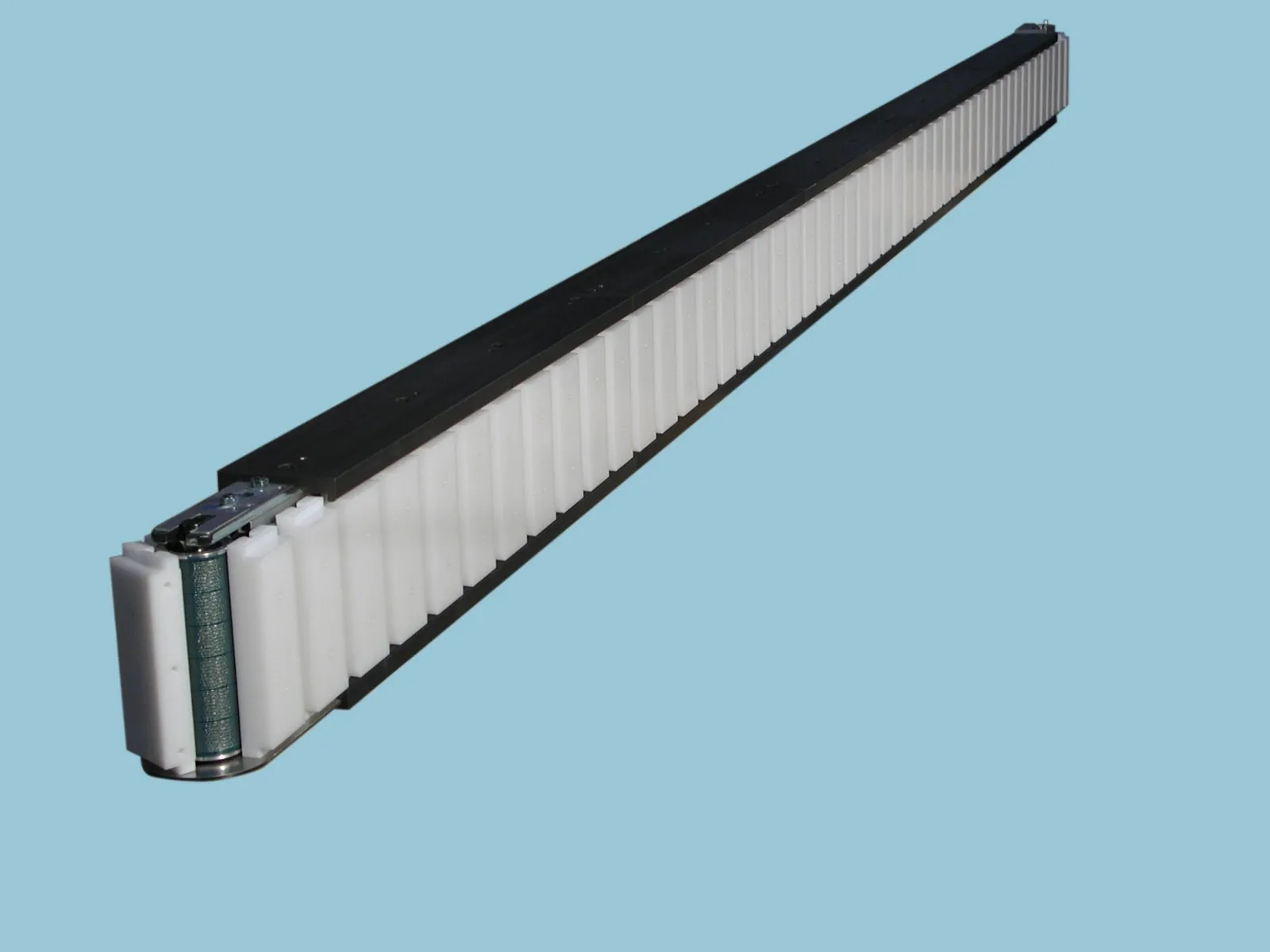 ConveyorIndexed handling with parts held upright.
Carousel Indexing Conveyor
Indexed handling with parts held upright.