Application
Conveyors for Washdown & Sanitary Applications
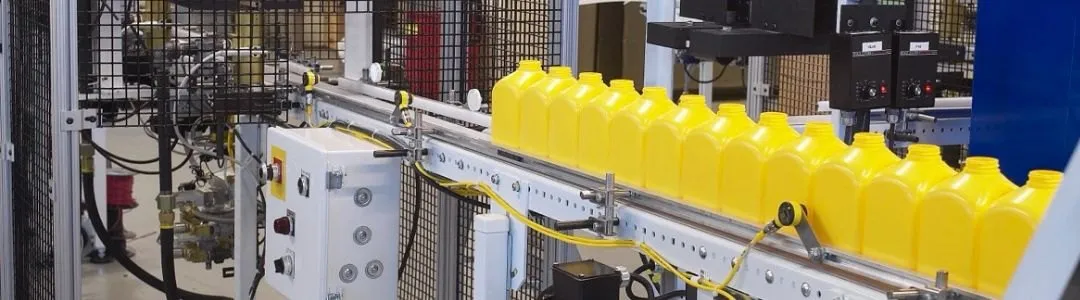
Conveyors built for wet areas and regular cleaning.
We choose frame materials, conveying surfaces and cleaning access around your product, your cleaning routine and the exposure each part of the conveyor will see.
Design it in CAD and export STEP files, or let our engineers design it.
01How it works
Frame and cleaning access
Materials for wet areas
Stainless steel or powder-coated aluminum frames. Cleaning chemicals, temperature and how water reaches the conveyor decide the right material. The belt surface, the underside and the drive can each see different exposure, so we choose for each.
Room to clean
Open frames give access under the conveying surface for cleaning and inspection. Smooth surfaces and drainage matter as much as reach, including around brackets, supports and accessories.
Belt removal
Removable belts and accessible tensioning let you reach the belt and the surfaces under it. The path to take the belt off matters as much as space in operation; it depends on the conveyor and its mounting.
Belt tensioning and removal →
02Reference
Choose the conveying surface
The surface also decides how liquid and debris move through or across the belt. Food contact and resistance to a specific chemical need the material documentation; a material name alone doesn’t confirm them.
| Belt | What it does for cleaning and handling |
|---|---|
| Solid urethane or polyester | A continuous surface; material chosen for the product and cleaning process. |
| Wire mesh | Open, so air and liquid pass through for cooling, drying or drainage. |
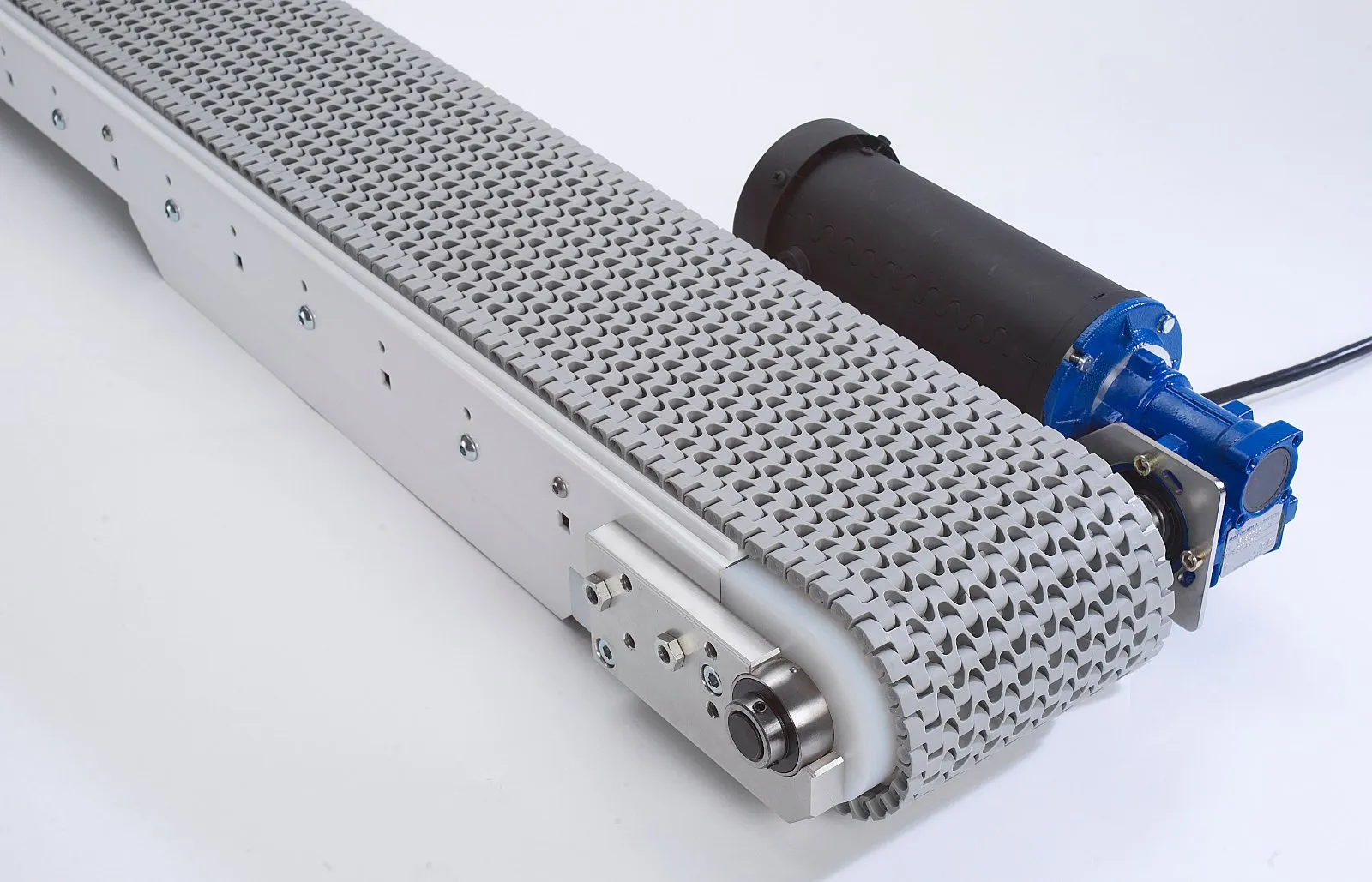
| Modular plastic | Assembled from replaceable sections, with product-specific materials. |
03In detail
Bearings and drives
Sealed bearings
Sealed for life: the lubricant stays inside, with no routine relubrication and no lubricant reaching the product. The drive and electrical connections are chosen separately for the cleaning exposure.
Drive protection
Washdown drives and protected electrical connections are matched to your cleaning process. Where the layout allows, the motor and gearbox can sit out of direct spray. Protecting one component doesn’t make the whole assembly suitable, so we consider them together.
04Next steps
Where it applies
Washdown construction and sanitary suitability are different questions. Direct product contact, a cleanroom or a facility standard depend on the selected components and their documentation.
Food & Beverage
Packaging, inspection, cooling and wet operation.
Food and Beverage →Pharmaceutical Packaging & Inspection
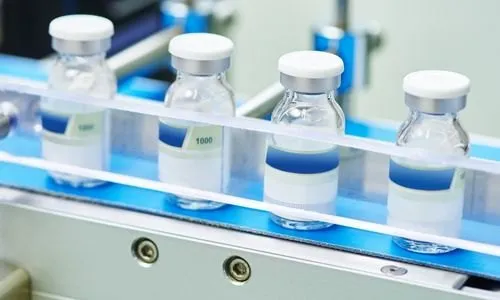
Package handling, inspection and cleaning conditions.
Pharmaceutical Packaging →Food-Contact Conveyors
Contact materials for your product, and the documentation that applies.
Food-Contact Conveyors →
05Recommended conveyors
Conveyor options to explore
The conveyor and its components must suit the actual exposure; a product name or belt material alone doesn’t make it washdown or sanitary.
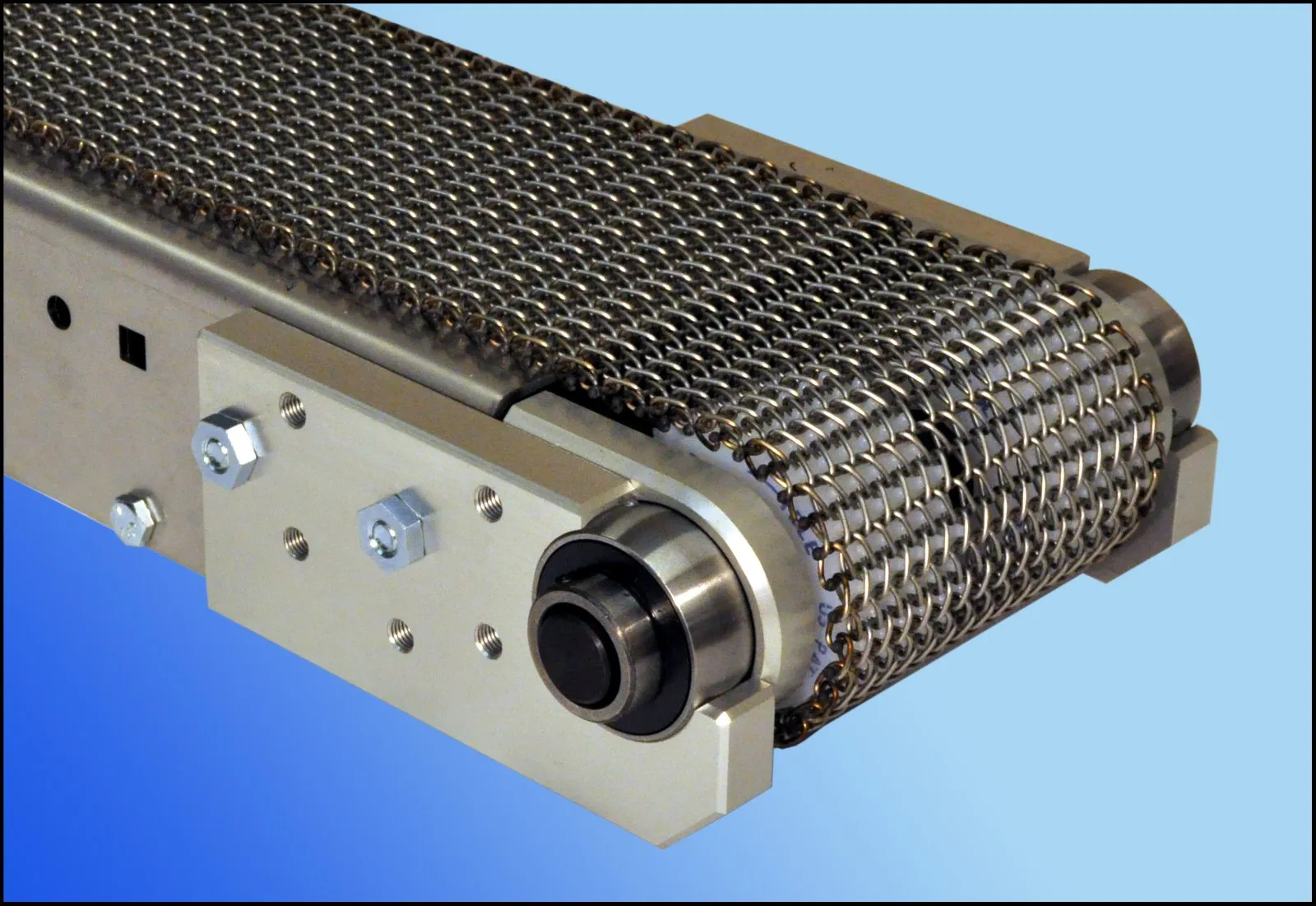 ConveyorUseful when air or liquid needs to pass through the belt for cooling, drying or drainage.
Wire Mesh Belt Conveyor
Useful when air or liquid needs to pass through the belt for cooling, drying or drainage.- ConveyorUseful when the belt needs replaceable sections for maintenance.
Modular Plastic Belt Conveyor
Useful when the belt needs replaceable sections for maintenance. 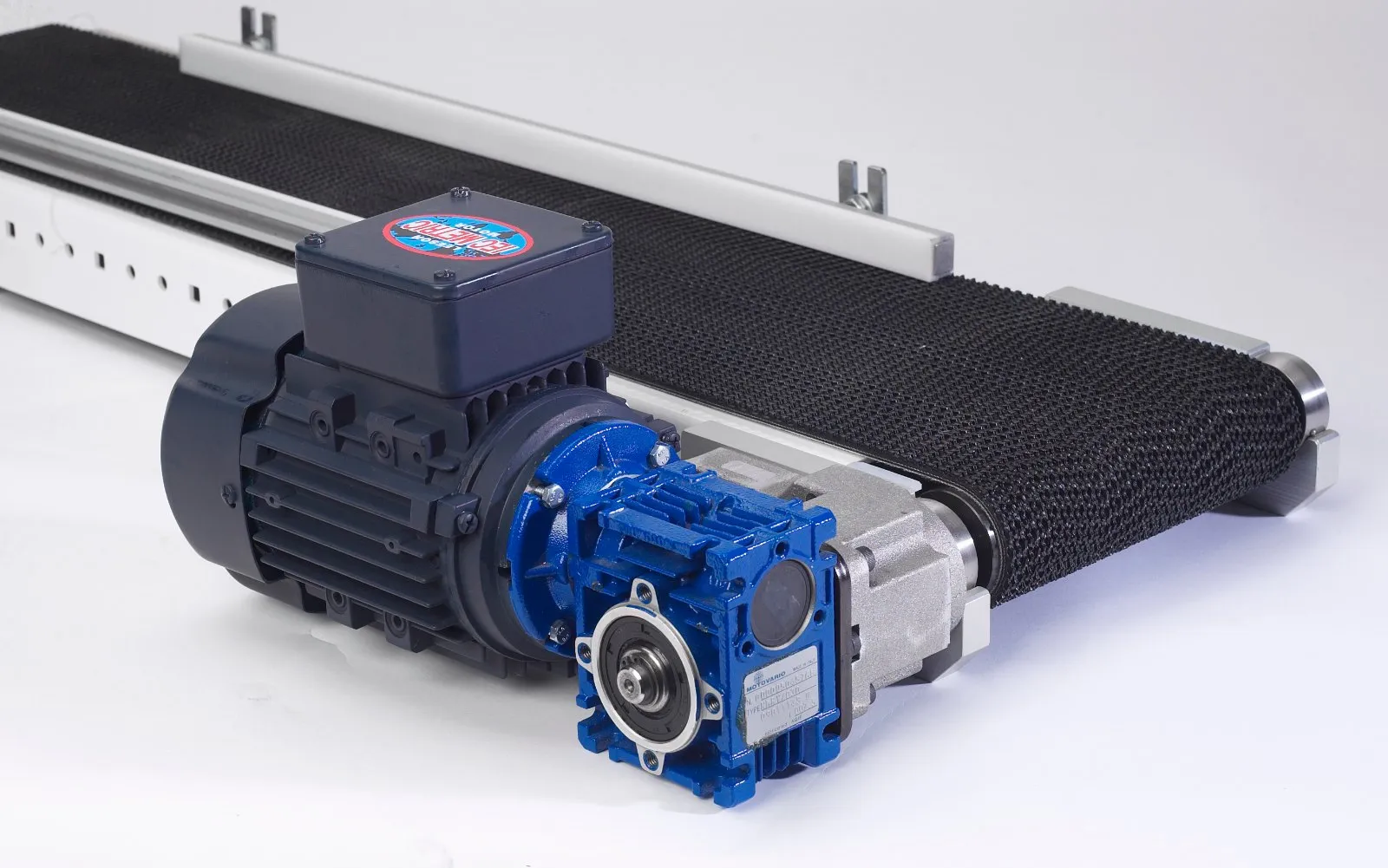 ConveyorUseful between machines, with drive access at one end.
End-Drive Conveyors
Useful between machines, with drive access at one end.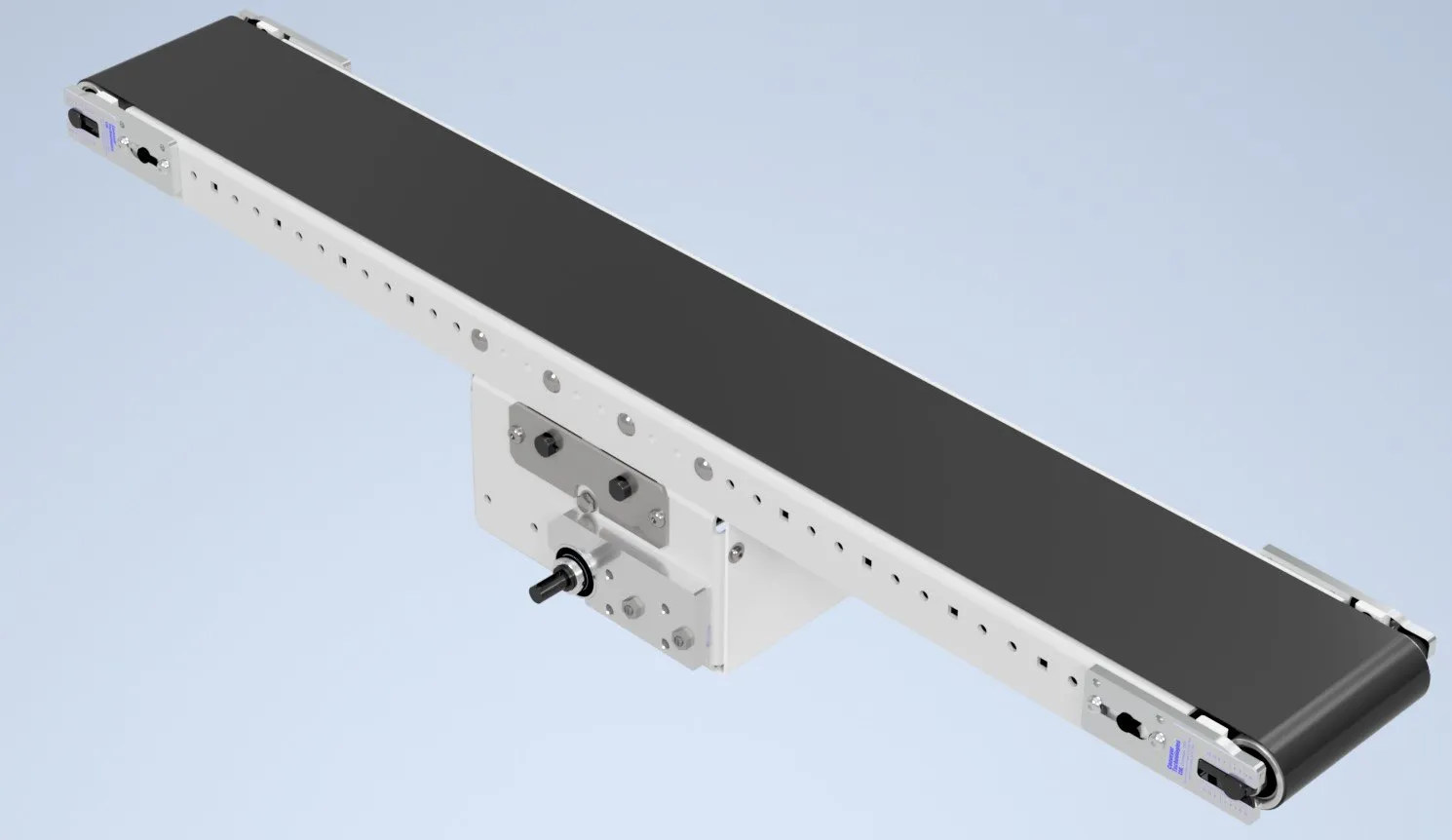 ConveyorUseful when products enter or leave right next to other equipment.
Center Drive Conveyor
Useful when products enter or leave right next to other equipment.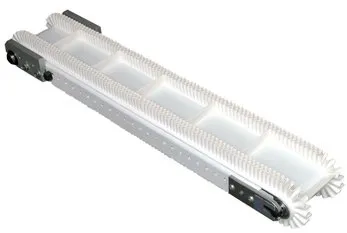 ConveyorUseful when small or fragile products must be kept apart without rubbing fixed side walls.
Flex-Side Cleated Conveyor
Useful when small or fragile products must be kept apart without rubbing fixed side walls.